


Key Points to Remember
- Wash Off Loose Hairs: A quick rinse after a haircut helps remove prickly clippings and unwanted styling residue. Choose lukewarm water and avoid rubbing sore skin.
- Not Every Bump Comes From Unclean Equipment: Razor bumps develop from ingrown hairs, while bacterial folliculitis involves an infection. Both conditions can appear together.
- Keep Your Routine Mild: A fragrance-free moisturizer can relieve dryness after shaving. Salicylic acid may help prevent ingrown hairs in some people, but it should stay off broken, inflamed, or infected skin.
- Ask for a Skin-Friendly Finish: Following hair growth, keeping the skin relaxed, and limiting blade passes can lower the risk of irritation.
- Safety Belongs in Barber Education: Approved training covers sanitation, tool handling, scalp assessment, and shaving practices that protect clients.
A sharp fade can leave you feeling great until an itchy neck or burning hairline interrupts that fresh-cut feeling. When bumps appear, it can be difficult to tell whether you are dealing with temporary irritation, ingrown hairs, or something that needs medical attention. Knowing the possible causes makes it easier to care for your skin and explain the problem before your next appointment.
Do You Need to Wash Up After Leaving the Barbershop?
You might hesitate to shower because you want to preserve your styling products or keep your hair looking exactly as your barber finished it. A full shower is optional after an ordinary haircut, but rinsing loose hairs from your skin can help you feel more comfortable.
Fresh clippings can collect behind your ears, along your neckline, and underneath your collar. Their short, stiff ends may feel prickly, especially when clothing presses them against your skin. Washing them away gently is usually more helpful than rubbing the area.
Use lukewarm water and a mild cleanser wherever necessary. To preserve your hairstyle, clean your neck and hairline without wetting your entire head. If a finishing product leaves an uncomfortable coating on your scalp, a gentle shampoo can remove the residue.
This is about clearing material from the skin’s surface. Loose hairs should not be described as routinely burrowing deep into open pores, and an immediate shower cannot guarantee protection against razor bumps or folliculitis.
Harvard Health Publishing recommends mild cleansing, loose clothing, and careful shaving to help prevent folliculitis. It also advises gently washing your skin after sweating.
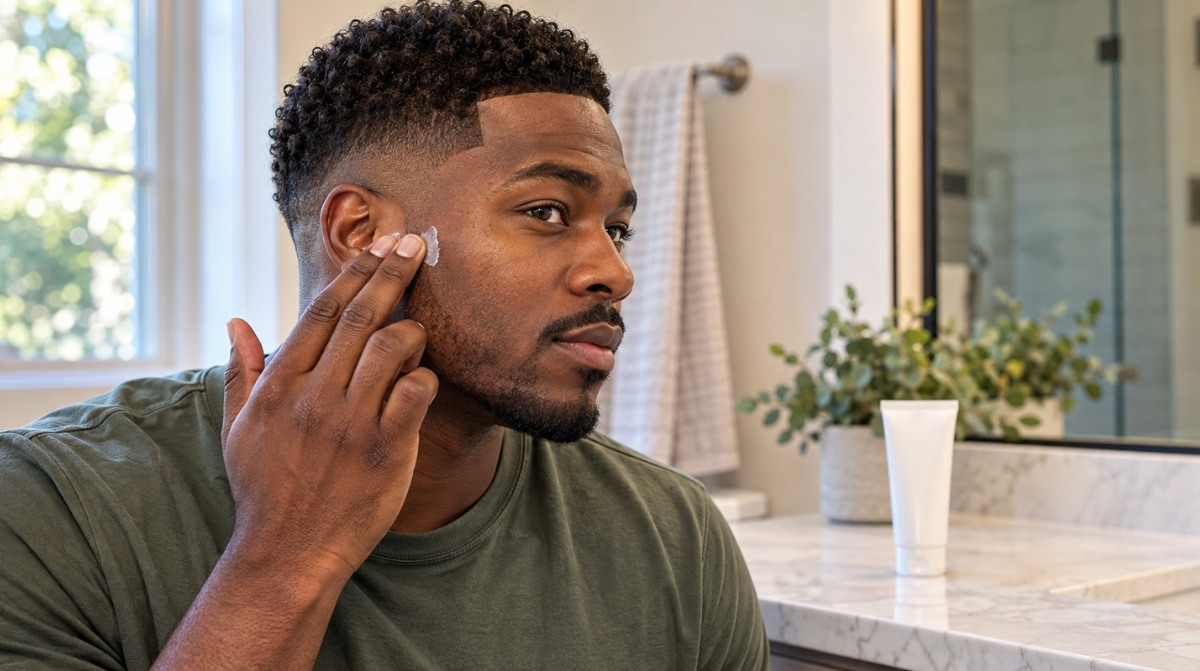
For skin that feels hot or sore after a close shave, place a cool, damp washcloth over the area. The Canadian Dermatology Association recommends this approach to calm freshly shaved skin and limit swelling. The cooling effect can relieve discomfort, but it does not close pores or block bacteria.
What Could Be Causing Your Post-Haircut Skin Reaction?
Several problems can follow a haircut or shave, including razor burn, product irritation, ingrown hairs, and folliculitis. Their symptoms sometimes overlap, so a bump’s appearance alone may not identify the cause.
A burning, blotchy rash that develops soon after shaving can be razor burn. Dry shaving, excessive pressure, repeated blade contact, and irritating products can disturb the outer skin barrier. Cleveland Clinic explains that a razor moving across the skin can create tiny surface cracks, moisture loss, and inflammation.
An ordinary clipper trim does not affect the skin in exactly the same way as a close razor shave. How your skin responds also depends on the products used, the cutting technique, and your individual sensitivity.
Pay attention to products that repeatedly cause trouble. If the same shaving cream, fragrance, or finishing spray seems to trigger redness, let your barber know and discontinue the suspected item. Reactions that continue or become worse need proper assessment rather than an expanding collection of aftercare products.
Ingrown Hairs and Infected Follicles Need Different Attention
Bumps after a barber visit can make you question whether the equipment was clean. Sanitation matters, but a breakout by itself does not establish that contaminated tools were responsible.
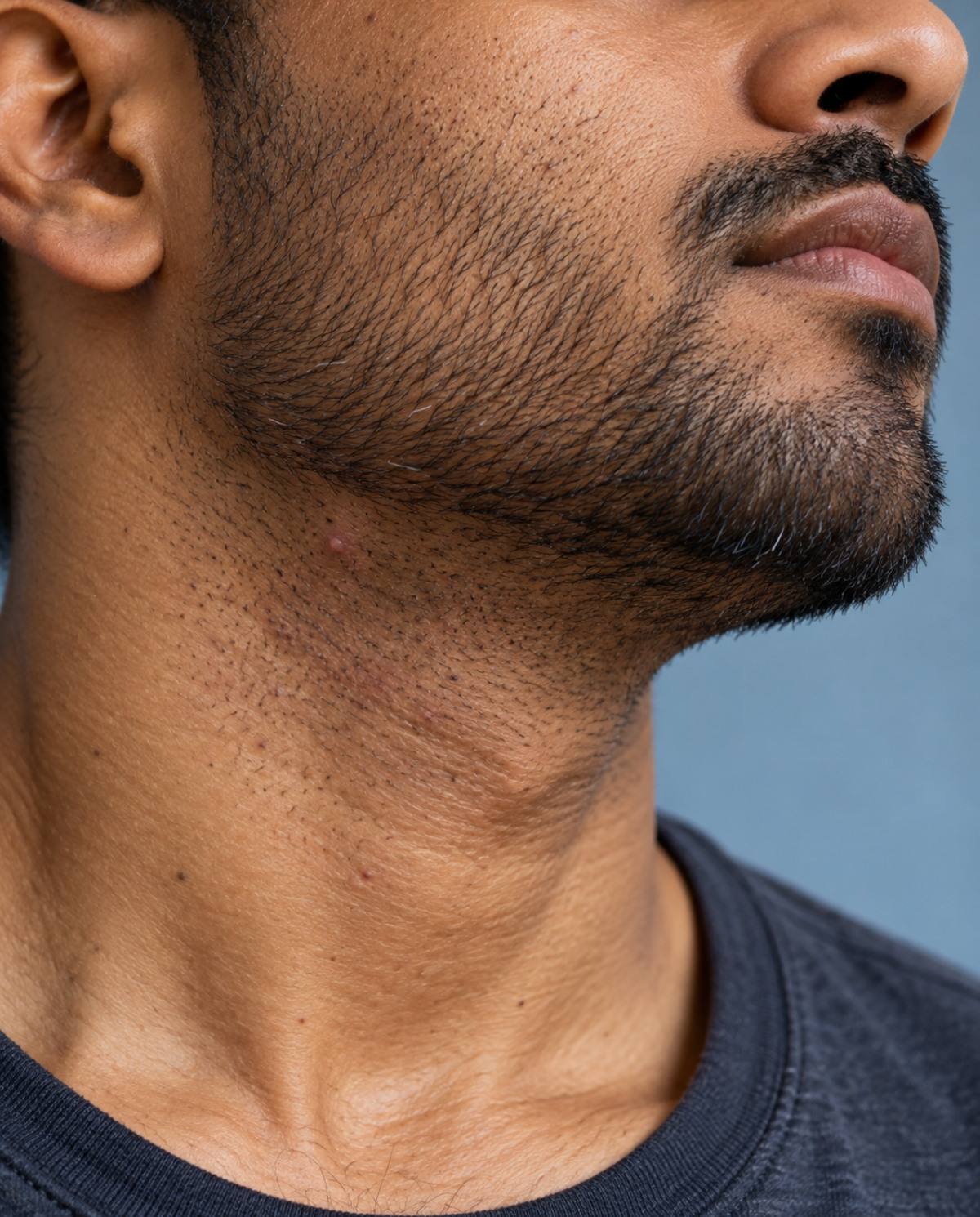
Pseudofolliculitis barbae is the medical name for razor bumps. It develops when cut hair penetrates nearby skin and causes inflammation. A hair may emerge and curl back toward the surface, or retract below the skin after an especially close shave. Tightly curled, coarse hair is particularly susceptible.
Bacterial folliculitis is an infection involving the hair follicle, commonly associated with Staphylococcus aureus. Shaving-related damage can increase susceptibility, but finding an infection does not automatically establish the source of the bacteria.
DermNet explains that infectious folliculitis and razor bumps can occur at the same time. Ingrown-hair inflammation is not primarily an infection, although affected follicles may develop a secondary infection.
That difference affects what helps. Changing shaving habits is an important part of controlling razor bumps. Repeated or persistent folliculitis may need a clinician’s assessment to determine the cause and appropriate treatment.
Recurring Bumps Along the Back of Your Neck Should Not Be Ignored
A stubborn neckline breakout is not necessarily a collection of ordinary ingrown hairs. Acne keloidalis nuchae can produce inflamed bumps, thickened scars, and permanent hair loss at the back of the scalp and neck.
The American Academy of Dermatology explains that reducing irritation is part of managing this condition. Close shaving, scratching, and friction around the affected area can make the problem worse, while established scarring is harder to treat.
If bumps keep returning, become firm and raised, or appear alongside thinning hair, avoid closely shaving over them and arrange a dermatology appointment.
A Simple Routine for Uncomfortable, Freshly Shaved Skin
Choose aftercare according to how your skin feels. An area that burns or looks inflamed needs a gentler approach than healthy skin that occasionally develops ingrown hairs.
For tightness or dryness, use a fragrance-free moisturizer suitable for your skin type. Ceramides can support the protective skin barrier, while hyaluronic acid helps retain moisture.
Heavy creams and petroleum-based products do not need to be ruled out automatically. The American Academy of Dermatology lists petroleum jelly as an option for dry skin and minor injuries. Product choice should still account for the area involved and whether you are prone to breakouts. A noncomedogenic moisturizer is a sensible option for acne-prone areas.
Check aftershaves for ingredients your skin finds irritating. Cleveland Clinic recommends avoiding fragrance, alcohol, and other irritants when treating razor burn. A sharp sting is not evidence that an aftershave is benefiting your skin. Stop using products that cause burning or worsen irritation.
While the area recovers, stick with gentle washing, a cool compress, and a moisturizer you already tolerate. Give the skin time to heal before shaving over it again.
Deciding Whether an Exfoliant Belongs in Your Routine
People who frequently develop ingrown hairs may benefit from an exfoliating product. It is not a required step after every haircut, and it does not take the place of moisturizer.
The Canadian Dermatology Association suggests considering a lotion or gel containing 1–2% salicylic acid or 5% glycolic acid the day after shaving. These ingredients help smooth the skin around growing hairs and reduce the chance of those hairs becoming trapped.
However, waiting until the following day does not make an exfoliant appropriate for skin that is still sore or inflamed.
MedlinePlus advises against using topical salicylic acid on broken, red, swollen, irritated, or infected skin. Follow the label and discontinue use if irritation develops. If your routine already includes acne medication or other exfoliants, consult a pharmacist or dermatologist before adding another active product.
Make Your Next Haircut Easier on Your Skin
The closeness of a shave and the amount of friction involved both influence skin comfort. Home care can ease irritation, but it cannot fully offset a technique that repeatedly aggravates the same area.
The American Academy of Dermatology recommends softening the hair before shaving and moving the razor in the direction of growth. A moisturizing shaving cream can also reduce friction.
If you are prone to razor bumps, avoid stretching the skin tight or passing a blade over one spot repeatedly. Going against the grain may create a smoother finish, but it can also increase irritation and the likelihood of ingrown hairs.
A little remaining length may be more comfortable than a completely smooth shave. DermNet includes leaving approximately 1 mm of stubble among its preventive measures. Ask your barber whether a guarded clipper finish would suit an area that repeatedly reacts to razor work.
The same considerations matter when grooming yourself. Reviewing common mistakes to avoid before cutting your own hair can help you prepare your tools and recognize when chasing a closer finish is creating unnecessary irritation.
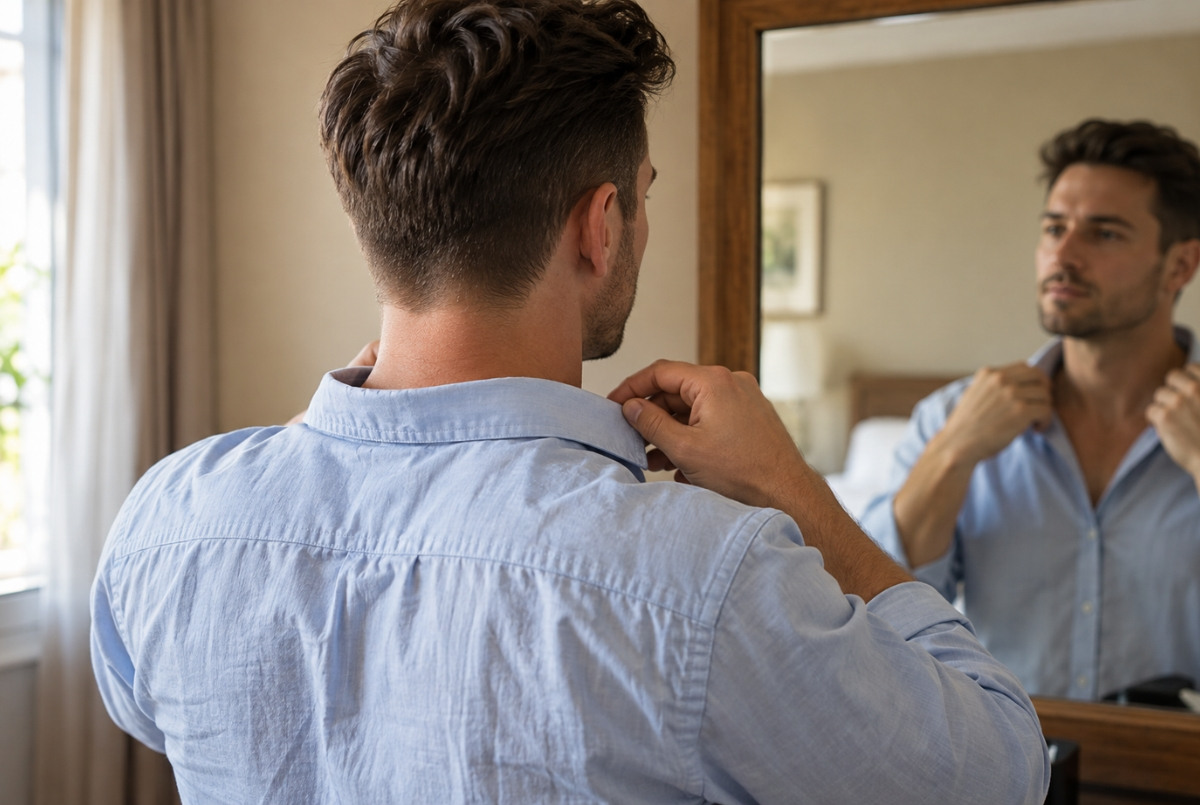
Once the haircut is finished, leave sensitive spots alone instead of rubbing or picking them. Choose a collar that does not scrape your neckline, and keep towels clean as part of your normal hygiene routine.
Exercise may also feel uncomfortable when sweat and clothing rub against recently shaved skin. If a workout aggravates the area, reduce the activity until the irritation settles and wash gently after sweating. These measures support comfort and cleanliness without guaranteeing that an infection cannot develop.
Remember Sun Protection When More Skin Is Showing
A shorter cut can reveal parts of your scalp that were previously covered by hair. Include those areas, along with your ears, hairline, and neck, when planning outdoor protection.
The American Academy of Dermatology recommends broad-spectrum, water-resistant sunscreen with SPF 30 or higher. Reapply every two hours outdoors and immediately after swimming or sweating.
A suitable hat provides another way to cover exposed scalp. Choose one that sits comfortably without rubbing irritated skin.
Where Client Safety Fits Into Barber Training
Learning to barber involves more than shaping a fade or finishing a lineup. Students also need instruction in hygiene, tool safety, hair and scalp assessment, and recognizing concerns that require medical attention.
Georgia’s Master Barber curriculum requirements include an initial 280 hours of theory training before students may provide clinical services. This stage covers cleansing and disinfection, hygiene, scalp conditions, shaving, and the proper handling of cutting implements.
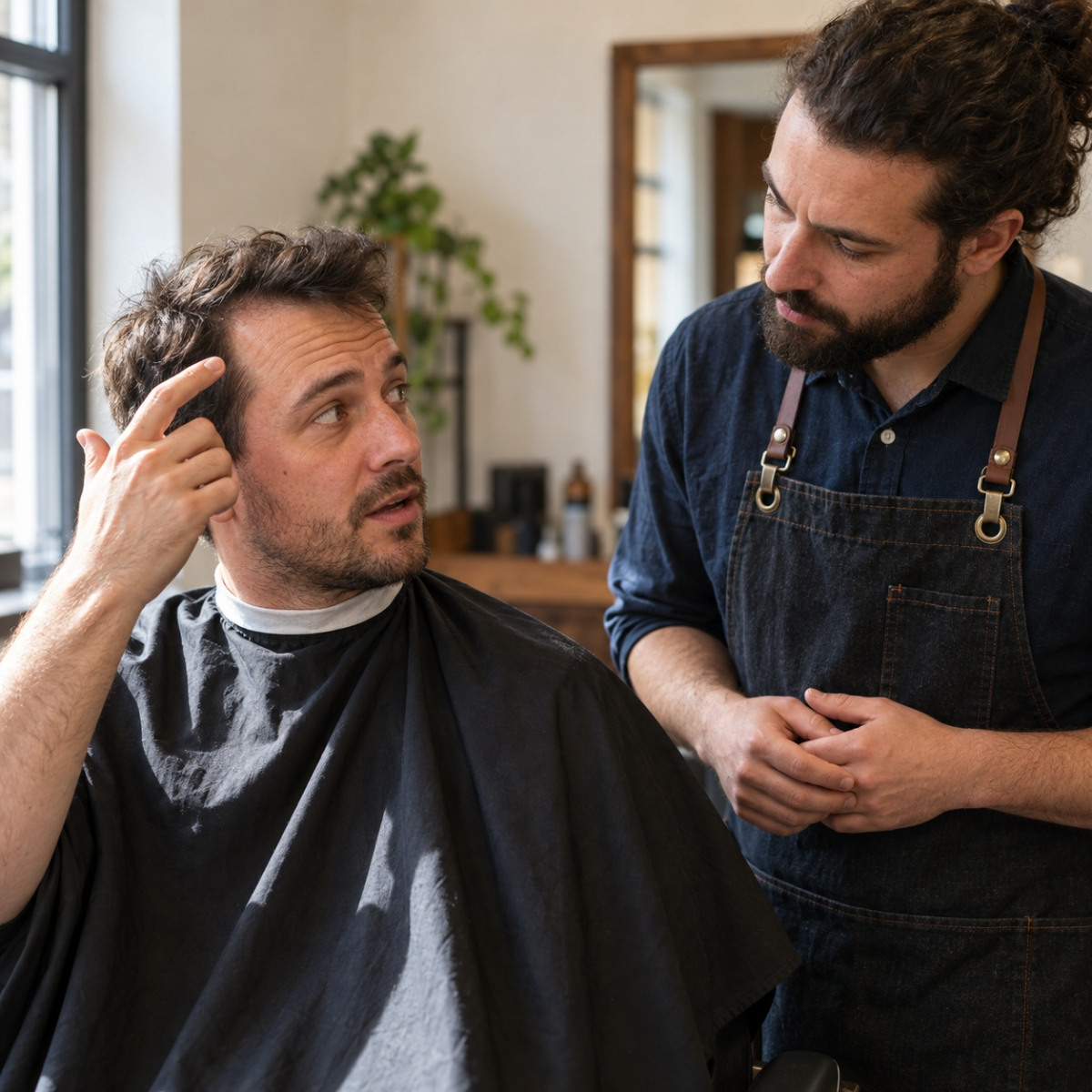
Client conversations are another practical part of safer service. A barber can ask about earlier breakouts, products that caused discomfort, and areas that react poorly to close shaving. Learning how to discuss haircut lengths, fades, and styles with your barber helps you describe your preferred result while explaining any previous skin reactions.
Recognizing a possible problem does not authorize a barber to diagnose or treat a skin disease. Georgia’s facility rules require signage stating that cosmetology services should be performed only on intact, healthy scalp, skin, and nails.
Why Looking Clean Is Not Enough for Reusable Tools
Cleaning, disinfection, and sterilization serve different purposes. Routine barbering equipment must undergo the appropriate cleaning and disinfection process rather than simply being described as sterile.
Georgia’s sanitary guidance for shops and schools states that UV cabinets may store implements only after they have been properly cleaned and disinfected. UV light is not an acceptable substitute for those steps.
Understanding the process helps students maintain hygiene beyond making a workstation or clipper blade look tidy.
Scalp Awareness Can Improve Everyday Consultations
The growing attention given to scalp care gives future barbers another reason to understand the limits of their services. America’s Beauty Show discusses scalp treatments and related products in its overview of 2026 beauty trends.
That is an industry observation, not evidence that every scalp product is effective or that every barbershop must offer advanced treatments. Everyday priorities remain observing the scalp, choosing suitable products, using safe techniques, and recommending medical assessment when necessary.
A thorough education can help future professionals develop these habits and give clients practical guidance for looking after their skin between appointments.
Common Questions About Haircut Aftercare
When should post-shave irritation start settling down?
Mild razor burn can last a few hours to a few days. Leave the affected area unshaved while it recovers.
For suspected folliculitis, the Canadian Dermatology Association recommends seeing a doctor if the condition worsens or has not resolved within three days. Ongoing bumps do not automatically indicate a bacterial infection, so treatment should follow an assessment of the cause.
Is moisturizer suitable immediately after a fade?
Yes. If your skin feels dry or tight, gently apply a fragrance-free moisturizer that you already know suits you. Choose a noncomedogenic option for areas prone to breakouts. Discontinue any product that causes burning or makes irritation worse.
Can a clean barbershop still leave me with neck bumps?
Yes. A very close shave can lead to ingrown hairs, particularly when the hair is coarse or curly. Clothing friction and reactions to grooming products can also contribute to irritation.
Properly cleaned and disinfected tools reduce infection risk, but they cannot prevent every infection or stop noninfectious razor bumps. Repeated neckline bumps accompanied by raised scars or hair loss need medical assessment.
Do I need salicylic acid every time I get a haircut?
No. Some people with recurring ingrown hairs may find it helpful, but it is unnecessary after many ordinary haircuts. Keep it off broken, red, swollen, irritated, or infected skin, and follow the product’s instructions.
What training prepares barbers to care for clients safely?
Approved programs teach hygiene, cleaning and disinfection, safe equipment handling, and hair and scalp assessment. Students develop their practical skills under instruction as they work toward the training and examination requirements for licensure.
Start Developing Your Professional Barbering Skills
Build on your interest in hair design with practical education at USA Beauty & Barber Academy. Its Master Barber program combines classroom learning with hands-on training in haircutting, shaving, styling, and chemical services while preparing students for state board examinations.
Visit our Enrollment page to explore your next steps and arrange a campus visit.
Complete the contact form below to connect with our team, ask questions, and discuss the training that fits your goals.