Essential Points Before Entering Mortuary Beauty Work
- Check the Rules for Your Services: Beauty training can support hair, makeup, and nail care for the deceased, but holding a cosmetology license does not authorize every preparation-room task. Ask both the beauty board and funeral-service regulator about your intended duties.
- Education Routes Differ: Georgia offers a 1,500-hour cosmetology school route and an apprenticeship route requiring at least 3,000 hours over 18 months. Arkansas also specifies 1,500 hours for cosmetologist training.
- Working Arrangements Vary: Funeral establishments may assign cosmetic care to employees or outside specialists. Discuss scheduling, expected case volume, responsibilities, and payment before accepting an arrangement.
- Choose Coverage Individually: Mortuary products range from translucent to opaque. Skin condition and the correction needed should guide your selection; heavy, wax-based makeup is not necessary in every case.
- Local Conversations Provide Useful Insight: Funeral directors can explain their staffing needs, credential expectations, supervision requirements, and preparation-room procedures.
Stepping onto a less conventional career path in the beauty world can feel intimidating. Desairology, or cosmetic care for people who have died, offers a way to apply beauty skills in a setting centered on remembrance. Helping recreate a loved one’s familiar appearance can be a meaningful contribution during a family’s difficult transition.
Working inside a funeral home also brings responsibilities beyond classic salon services. Exploring this specialty requires a realistic understanding of state regulations, workplace hazards, specialized products, and the opportunities available in your local area.
The Services Involved in Caring for a Person’s Final Appearance
Mortuary cosmetic care centers on dignity, respect, and the individual’s preferences. The desired result might be understated or more expressive, depending on how the person usually presented themselves and what the family requests.
Your responsibilities will depend on your authorized scope, the condition of the remains, and the funeral establishment’s instructions. They may include:
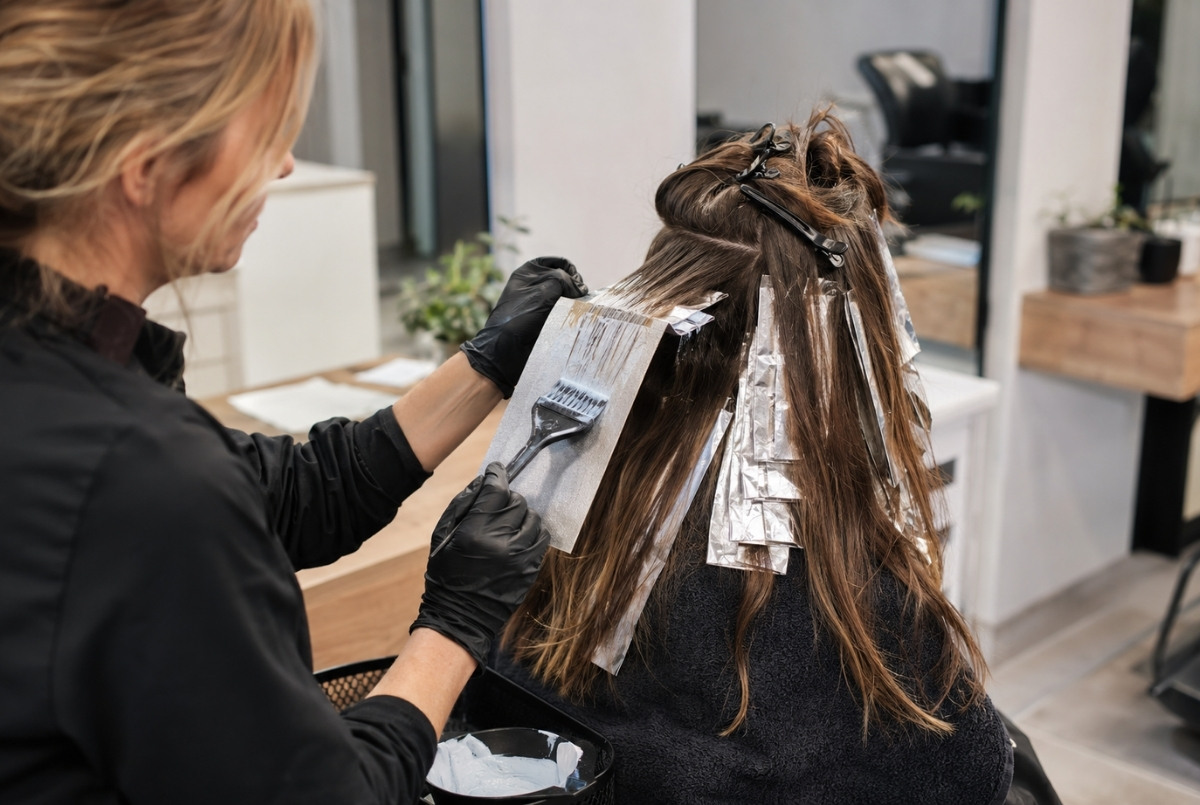
- Hair Styling and Grooming: Trimming or arranging hair to reflect a familiar style, with beard grooming where permitted and appropriate.
- Makeup Application: Matching complexion tones, reducing the appearance of discoloration, and applying foundation, lip color, or other requested cosmetics.
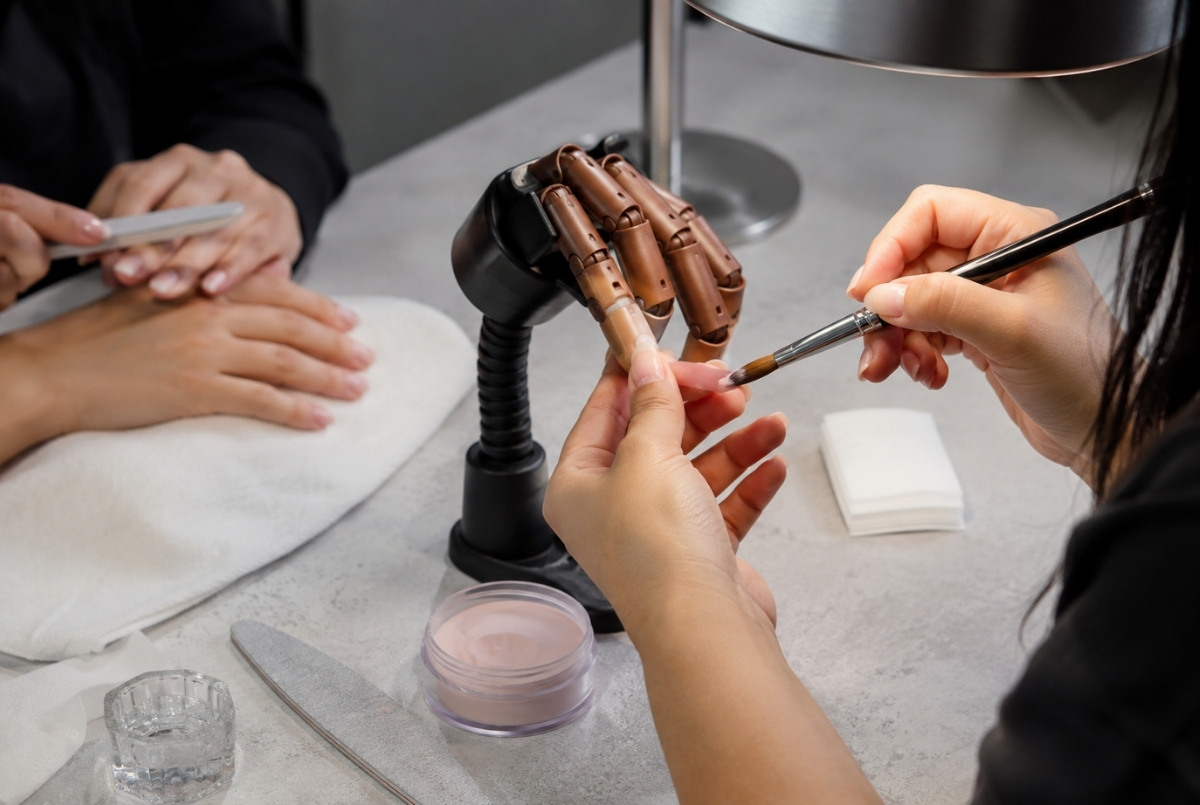
- Nail Services: Cleaning, shaping, or polishing nails when requested and within your permitted responsibilities.
Family photographs offer useful guidance, but they cannot answer every question about the desired result. Someone who rarely wore cosmetics may call for a restrained approach, while another person’s recognizable appearance might include a particular lipstick shade or hairstyle. Ask the funeral director which photograph should guide the work and whether personal, cultural, or religious preferences need to be followed.
Funeral-home cosmetic care is among the specialized possibilities discussed in our guide to careers available with a cosmetology license, including offline and remote options. Foundational beauty skills remain useful, but this setting also calls for additional instruction and an understanding of the requirements governing your role.
Researching the Credentials Your Intended Role Requires
Offering hair or makeup services in a funeral setting does not automatically mean you need a four-year mortuary science degree. Equally, a general beauty license should not be treated as unrestricted permission to carry out preparation tasks.
The answer depends on the state and the exact services involved. For example, Florida’s Department of Business and Professional Regulation explains that makeup application and hair arranging on a deceased person in a funeral home are not regulated by that department. It directs further questions to the Division of Funeral, Cemetery & Consumer Services. This guidance addresses those particular services; it does not establish authorization for other preparation work.
Before selecting a training route, describe your proposed duties to your state beauty board and funeral-service regulator. Ask whether you need an individual license, must work under supervision, or face establishment-specific restrictions. Also identify any procedures reserved for licensed funeral-service professionals. Written clarification can help you plan with greater confidence.
Developing Relevant Skills Through Beauty Education
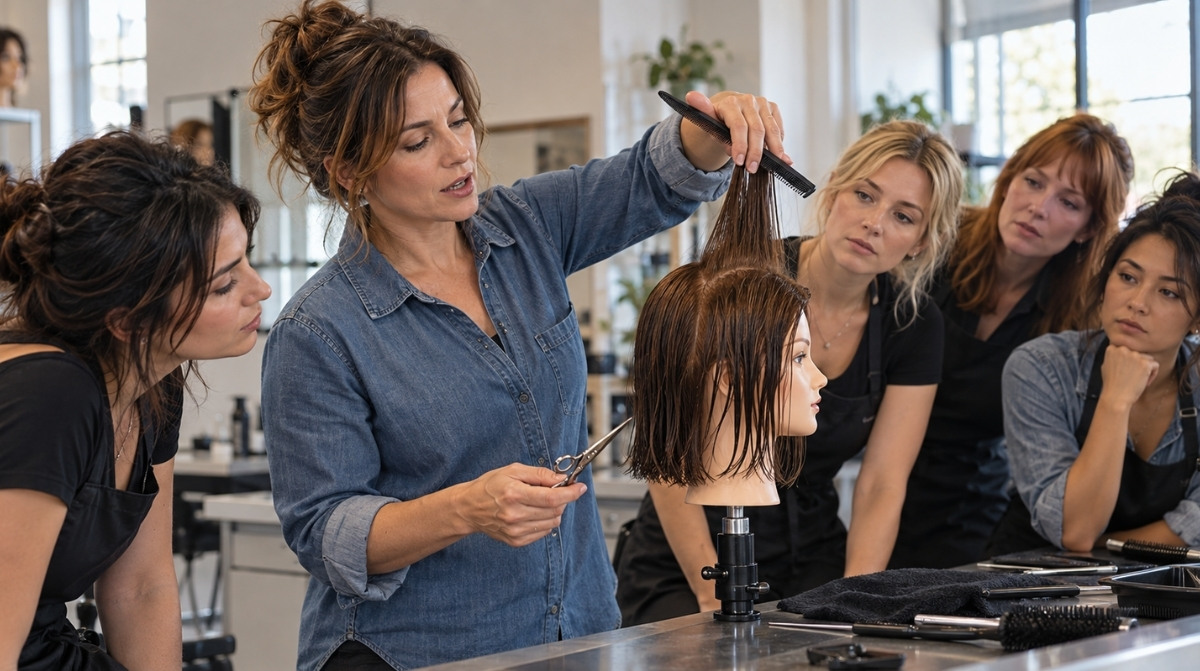
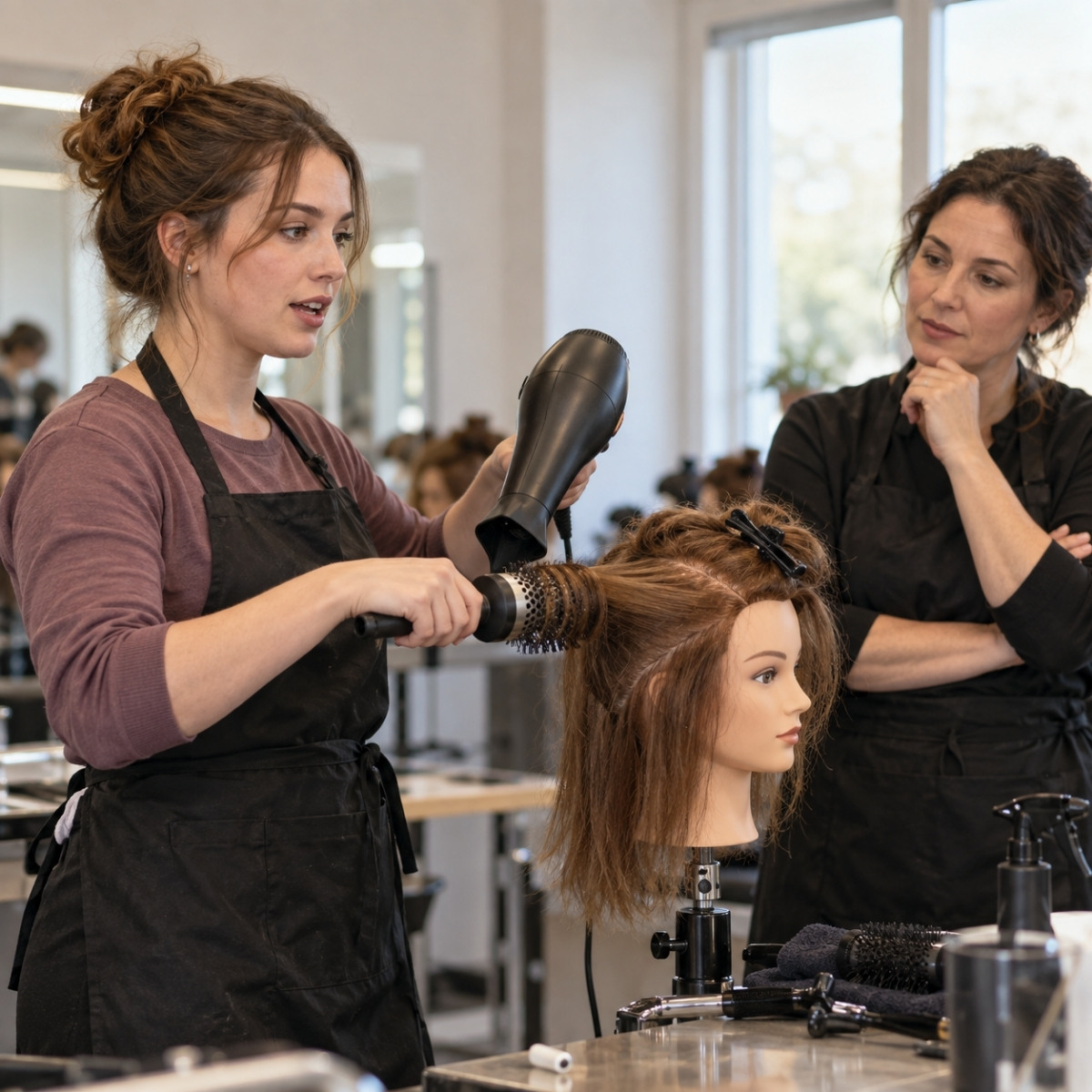
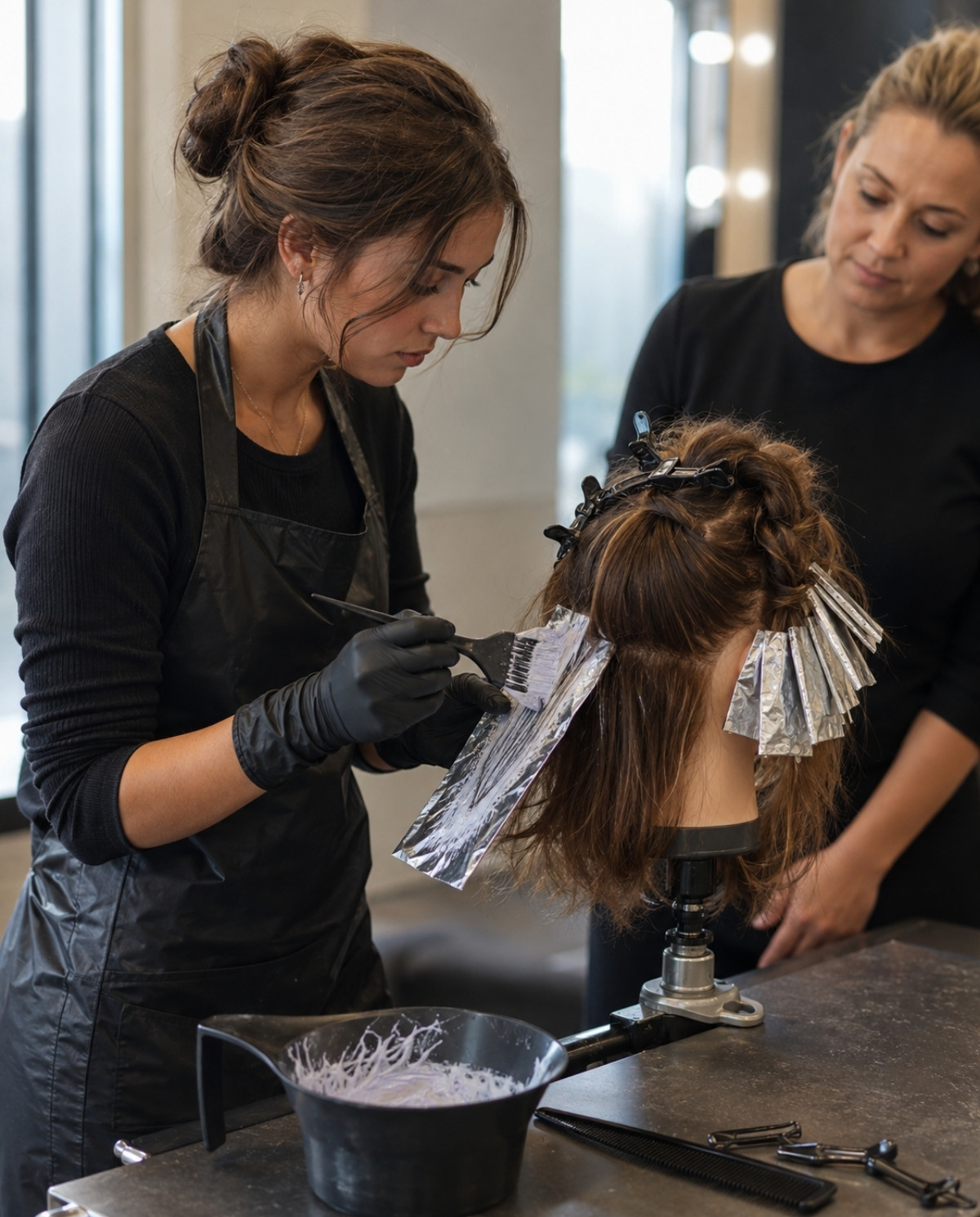
A state-approved cosmetology program can introduce techniques in hair design, makeup, nail services, color theory, and sanitation that may support later specialized learning.
Georgia’s school curriculum requires 1,500 training hours across a minimum of nine months. Arkansas lists a 1,500-hour training requirement for cosmetologists. Georgia also recognizes an apprenticeship option requiring at least 18 months and 3,000 hours.
These requirements concern general cosmetology education, not a separate mortuary beauty credential. Our overview of state cosmetology licensing hours, examinations, and renewal requirements can help you prepare questions for the board responsible for your license.
School accreditation and state approval serve different purposes. When evaluating a program for licensure, confirm that the relevant licensing board accepts its training.
Separating Cosmetic Services from Embalming and Reconstruction
Makeup application and embalming involve different responsibilities. A cosmetology or barber license does not authorize embalming, and working on the body’s exterior does not automatically place a procedure within your permitted scope.
- Beauty Professionals: Cosmetologists and barbers may contribute services that their applicable authorization and the establishment’s policies permit. Their licenses cover different activities, so neither should be treated as interchangeable permission for every hair, skin, or nail service.
- Embalming Professionals: Embalmers must meet the licensing requirements in their jurisdiction. Depending on the state, these can include approved funeral-service education, supervised experience, and examinations.
- Supplementary Training: Relevant courses may teach specialized product use, presentation techniques, and preparation-room practices. Completing a private course does not replace a license or other authorization required to perform the services.
Georgia’s funeral-service licensing rules illustrate the distinction. Embalmer applicants must provide proof of graduation from an ABFSE-accredited funeral-service college or another college specifically approved by the Board, complete 3,120 apprenticeship hours, and document assistance with embalming at least 50 bodies. The examination route also requires passing the Funeral Service Science Examination of the National Conference of Funeral Service Examining Boards.
The American Board of Funeral Service Education directory identifies accredited programs. FINE Mortuary College’s resources provide additional background on funeral-service licensing, although the relevant state board remains the authority for confirming current requirements.
Refer structural reconstruction, invasive preparation, or any other work outside your competence or authorization to the establishment’s appropriately qualified professional. Additional technical knowledge does not, by itself, expand your legal responsibilities.
Selecting Makeup for the Condition of the Skin
Preparation-room cosmetic work begins with assessment. The condition of the skin, visible discoloration, and requested appearance influence how much correction is appropriate and which products should be used.
It is inaccurate to characterize all post-mortem skin as non-porous or assume that liquid cosmetics cannot be used. Mortuary product lines include several formulations, and an opaque finish is not necessary for every person.
For example, Dodge’s instructions for Aquachrome cosmetics describe a water-based, translucent formulation intended for normal skin. The manufacturer explains that translucent coverage preserves the underlying skin tone and is not designed to conceal discoloration.
When learning these techniques, pay attention to the following distinctions:
- Coverage Level: Translucent formulas can maintain a natural appearance where concealment is unnecessary. Opaque products may be appropriate for visible discoloration. Select coverage according to the case rather than routinely choosing the heaviest foundation.
- Application Requirements: Products differ in formulation and intended use. Follow their instructions and obtain supervised guidance before working with unfamiliar materials. Airbrushing may be an option, but it is not required for every assignment.
- Correction Versus Reconstruction: Concealing a color difference is distinct from rebuilding a feature with restorative materials. Experience applying foundation does not establish competence or authorization to perform structural restoration.
- Viewing Environment: Check the completed appearance under the lighting that will be used for the viewing. Refer to the requested look and family photographs rather than assuming every venue calls for identical color adjustments.
The Career Trend article on entering mortuary makeup work discusses specialized product knowledge and sanitation training. For individual product decisions, manufacturer guidance and supervised instruction offer more specific direction than a general career overview.
Color theory remains valuable, but careful restraint matters too. Apply only the correction needed to achieve the agreed appearance.
Understanding Hazards Before Entering the Preparation Room
A calm setting can still contain workplace risks. Depending on your duties and where you work, you may encounter blood or other potentially infectious materials, contaminated tools, or preparation-room chemicals.
OSHA’s funeral-home guidance explains that bloodborne-pathogen requirements depend on reasonably anticipated occupational exposure. Its separate formaldehyde interpretation addresses occupational exposure associated with embalming in funeral homes.
Discuss these matters with the establishment before beginning an assignment:
- Training for Your Duties: Identify the hazards connected to your services and the instruction required before you start.
- Protective Equipment: Confirm what protection is appropriate and who supplies it.
- Chemical Handling: Locate safety data sheets and learn the relevant ventilation and handling procedures.
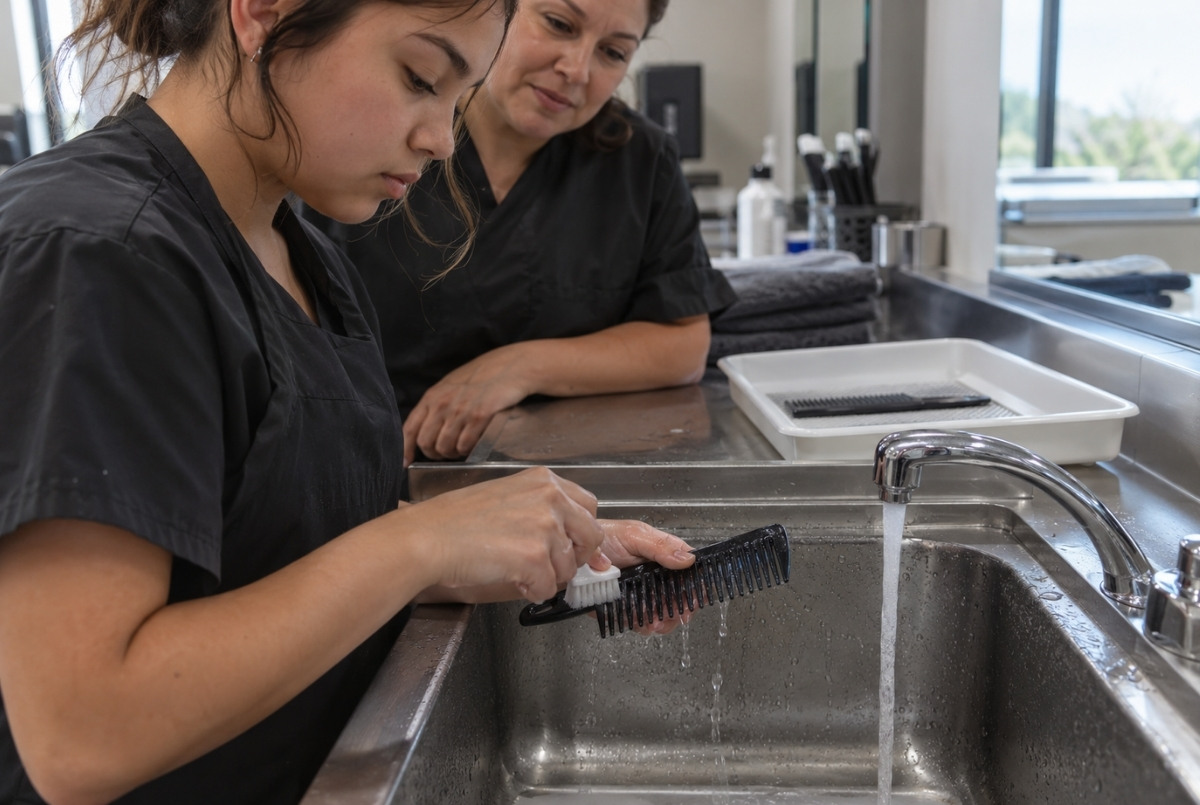
- Decontamination and Disposal: Understand how tools, work surfaces, contaminated items, and waste must be managed.
- Exposure Procedures: Know whom to notify and what action to take if an incident occurs.
Applicable obligations depend on the employment arrangement and exposure circumstances. Learn the establishment’s procedures before entering its preparation area; salon sanitation experience alone does not address every hazard in this environment.
Assessing Earnings and Contract Terms Realistically
Financial planning is an important part of exploring mortuary beauty work. Some establishments use employees, while others engage independent specialists. The services needed and frequency of assignments vary locally.
The Indeed guide to becoming a mortuary cosmetologist describes employment and independent-contracting possibilities. These arrangements should be evaluated separately because an employee salary estimate does not establish an appropriate freelance case fee.
As of October 5, 2026, ZipRecruiter’s Mortuary Cosmetologist category displayed an estimated national average of $43,287 annually, or approximately $20.81 per hour. Its separate Mortuary Cosmetology category displayed $45,943 annually, equivalent to approximately $22.09 per hour.
These are estimates for two differently named categories. They do not establish a standard hourly range, verified entry-level wages, contractor rates, or guaranteed earnings.
Before accepting work, clarify the payment arrangement:
- Employee Positions: Ask which duties are included, whether hours are guaranteed, and how availability or work outside the regular schedule is handled.
- Contract Assignments: Define the services covered by the fee, responsibility for supplies, and any additional charges for travel, urgent requests, or extra work.
- Combined Funeral-Service Positions: Jobs that include embalming, funeral directing, or broader preparation duties involve different credentials and responsibilities. Their earnings are not a direct benchmark for hair and makeup services alone.
A contractor’s case fee is gross revenue. Travel, setup, cleanup, consumables, administration, insurance, and applicable taxes can reduce the amount retained.
Combining this specialty with salon services may offer flexibility, but it does not guarantee stable income. Before depending on mortuary work as your main source of earnings, ask local establishments about expected case volume and how they currently allocate cosmetic assignments.
Introducing Your Services to Funeral Establishments
Professional outreach can complement job-board searches. A conversation with a funeral director may reveal whether the establishment works with outside specialists, which services it needs, and what training or credentials it expects.
You can continue checking advertised positions while using direct contact to understand local working arrangements.
Consider the following steps as you explore opportunities:
- Identify Your Authorized Services: Confirm the rules for the work you intend to offer. Use that information to decide whether cosmetology education, funeral-service training, or additional supervised instruction fits your goals.
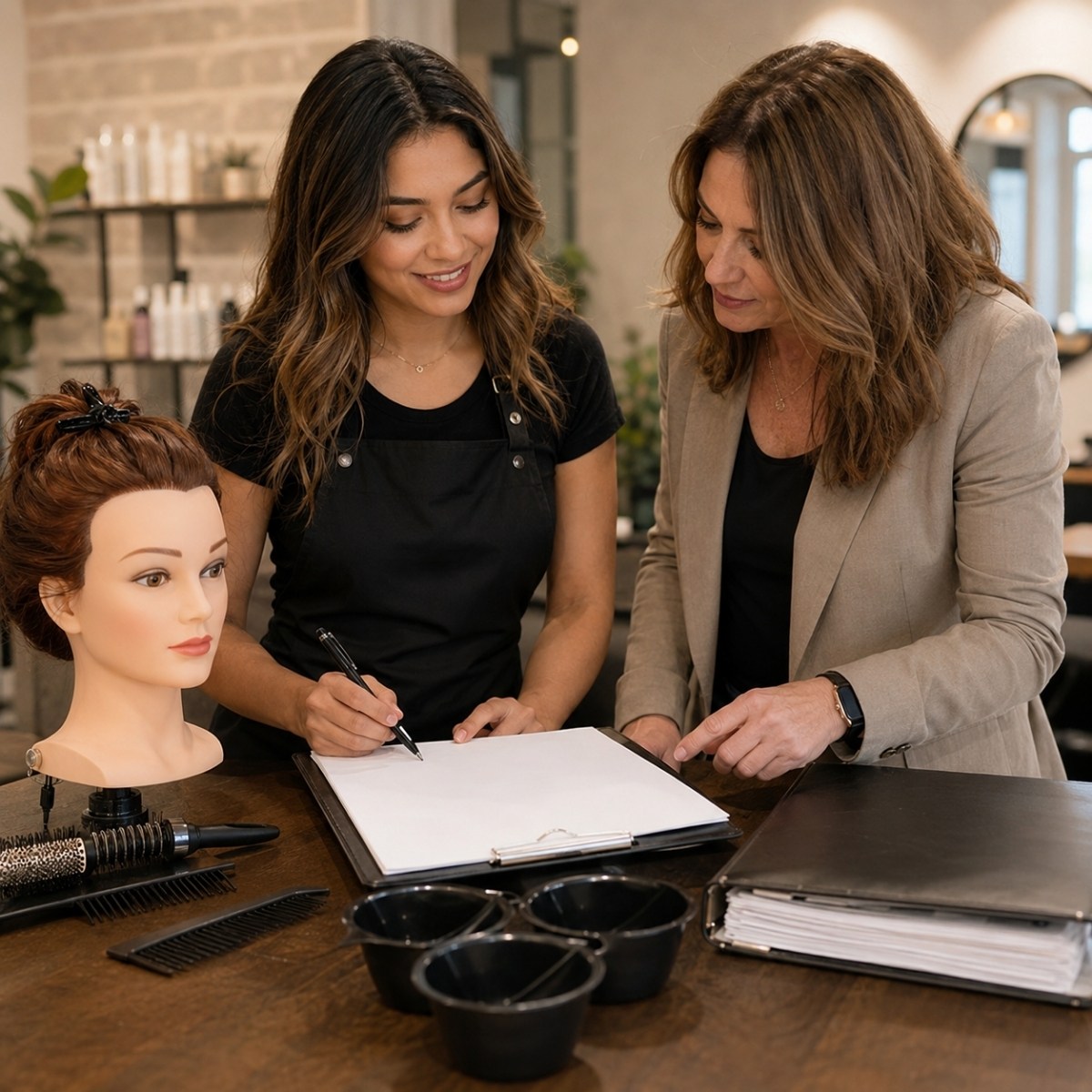
- Prepare Suitable Portfolio Examples: Use mannequins or living models to demonstrate natural makeup, complexion matching, restrained corrective techniques, and varied hairstyles. Show that you can follow individual preferences. Photographs of deceased people should not be used without appropriate authorization and compliance with applicable rules and establishment policies.
- Arrange a Professional Introduction: Request a short meeting with a funeral director. Explain your training, permitted services, availability, and interest in learning the establishment’s procedures.
- Discuss Practical Expectations: Ask who currently performs cosmetic preparation, whether contractors are engaged, and how supervision, supplies, scheduling, and payment are managed.
- Gain Appropriate Supervised Experience: Obtain instruction relevant to your role before accepting unfamiliar cases. Follow the establishment’s restrictions on observation and preparation-room access.
- Show Reliability and Discretion: Keep agreed appointments, follow safety procedures, safeguard sensitive information, and communicate promptly when a request exceeds your competence or authorization.
Professional trust grows when your work consistently reflects the family’s preferences and the establishment’s expectations. Technical skill matters alongside sound judgment, privacy, and a clear understanding of your responsibilities.
For additional guidance on licensing and early career decisions, explore the next steps after cosmetology school, from licensing to career opportunities.
Common Questions About This Specialty
How can I decide whether I am comfortable with the environment?
Working around death and grieving families can be emotionally challenging. Speak with experienced professionals about the setting and, where available, consider an authorized observation opportunity. Reflect on your personal boundaries and the support you would seek if an assignment affected you deeply.
What services might a barber provide?
Haircuts, beard grooming, or shaving may be possible when state requirements and establishment policies permit them. Confirm the rules for each proposed service. A barber license should not be treated as authorization for every makeup, skin, or nail procedure.
Should I purchase a dedicated equipment kit?
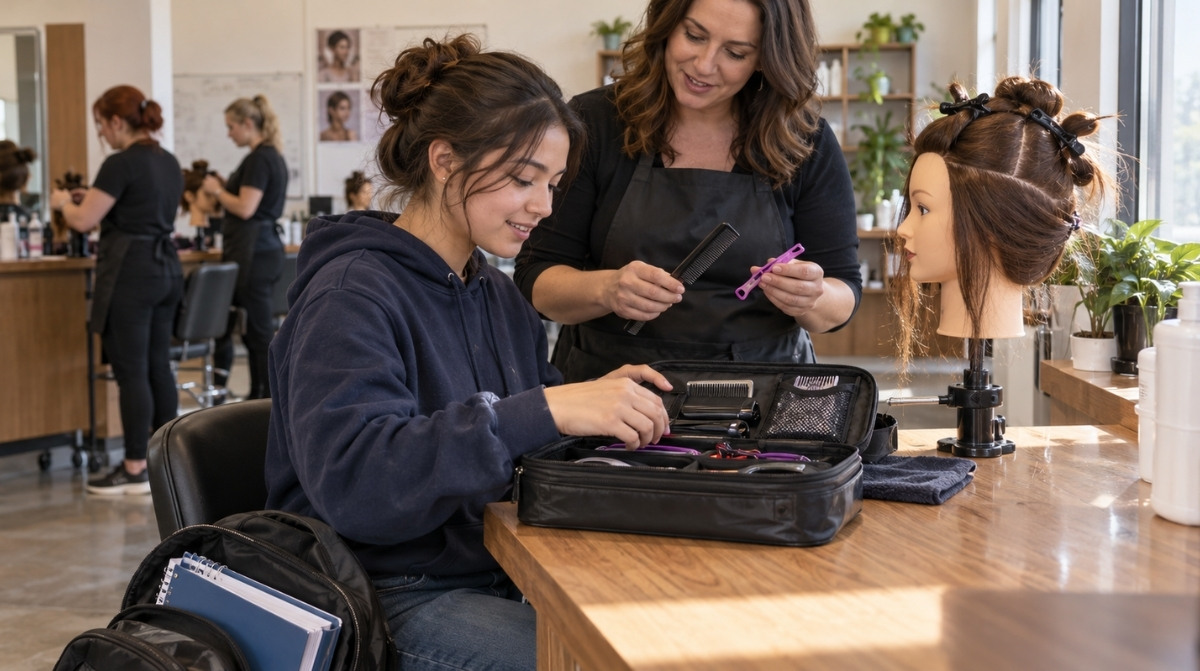
A separate kit can help organize supplies and support the establishment’s contamination-control procedures. First ask which products and tools the funeral home supplies and what you must bring. Airbrush equipment is not universally necessary, and unfamiliar materials require appropriate instruction.
What does a private mortuary beauty certificate establish?
It documents completion of the issuing provider’s course. It does not replace a required state license, authorization, or employer requirement. Investigate the rules for your intended services before selecting training, then check the course’s admission requirements and practical relevance.
How do I calculate a fee for an individual assignment?
Define the requested services and estimate the full time commitment, including travel, preparation, and cleanup. Add supply costs and relevant overhead, discuss expectations with prospective funeral-home clients, and record the agreed terms in writing. National salary estimates do not establish a standard per-case price.
Explore Your Next Step in Beauty Education
Specialized career interests begin with understanding the work and choosing education that fits your goals. Skills in hair design, skin care, color theory, and infection control can provide a foundation for further learning, while additional training and authorization depend on the role you intend to pursue.
Visit our Enrollment page to learn about admission requirements, available programs, and campus tours.
Use the inquiry form on that page to connect with the USA Beauty & Barber Academy team and discuss your training options.