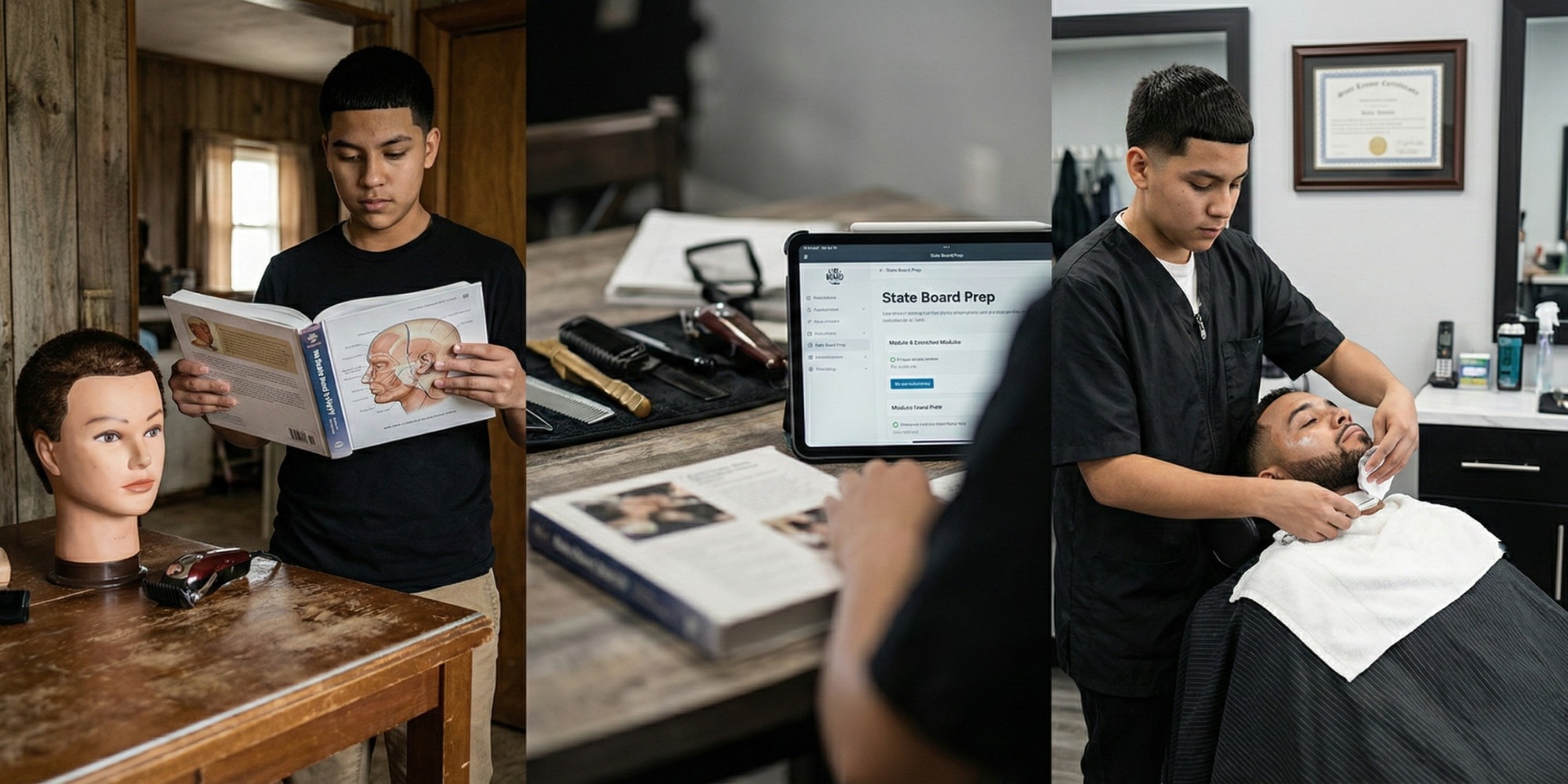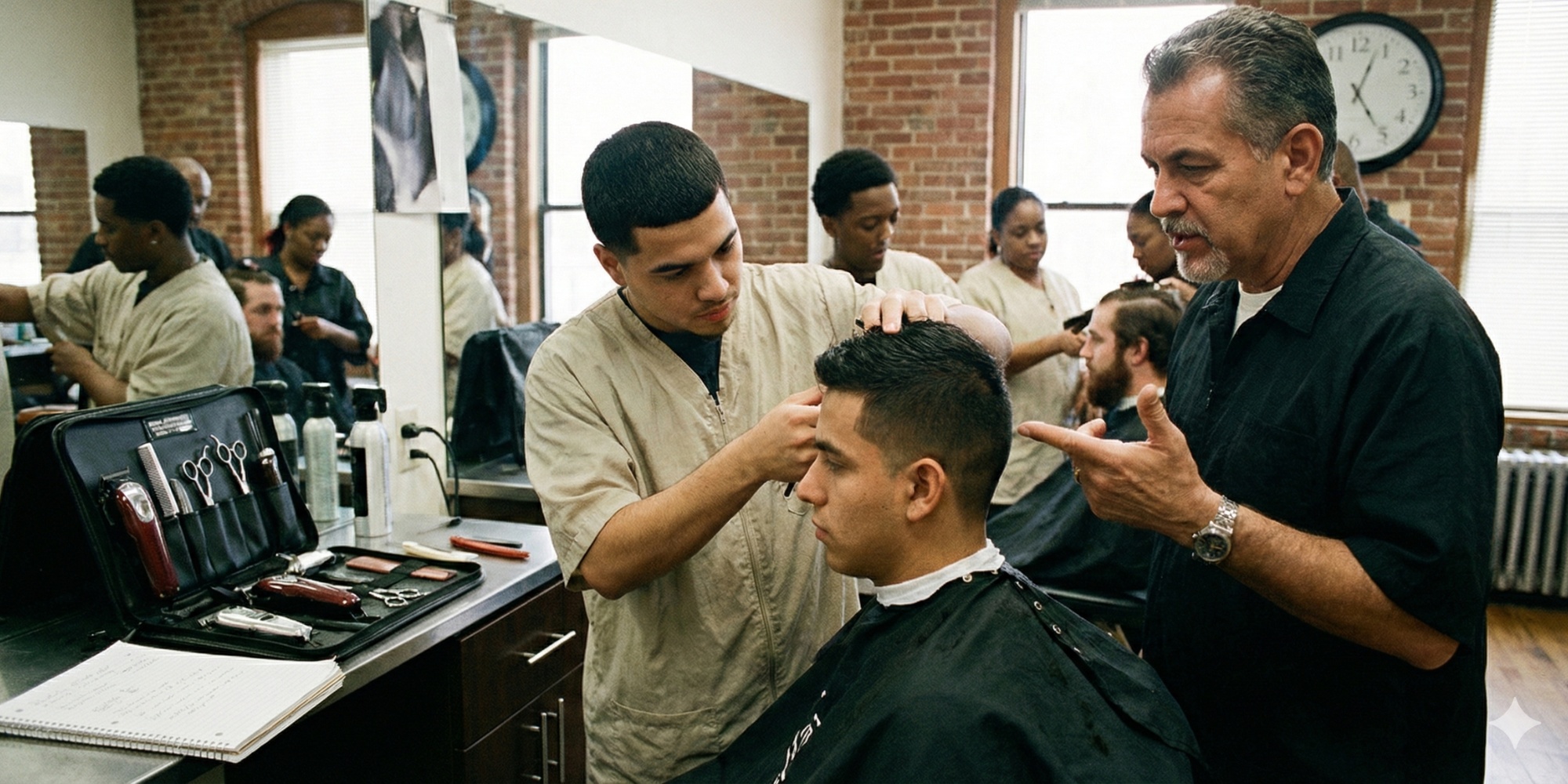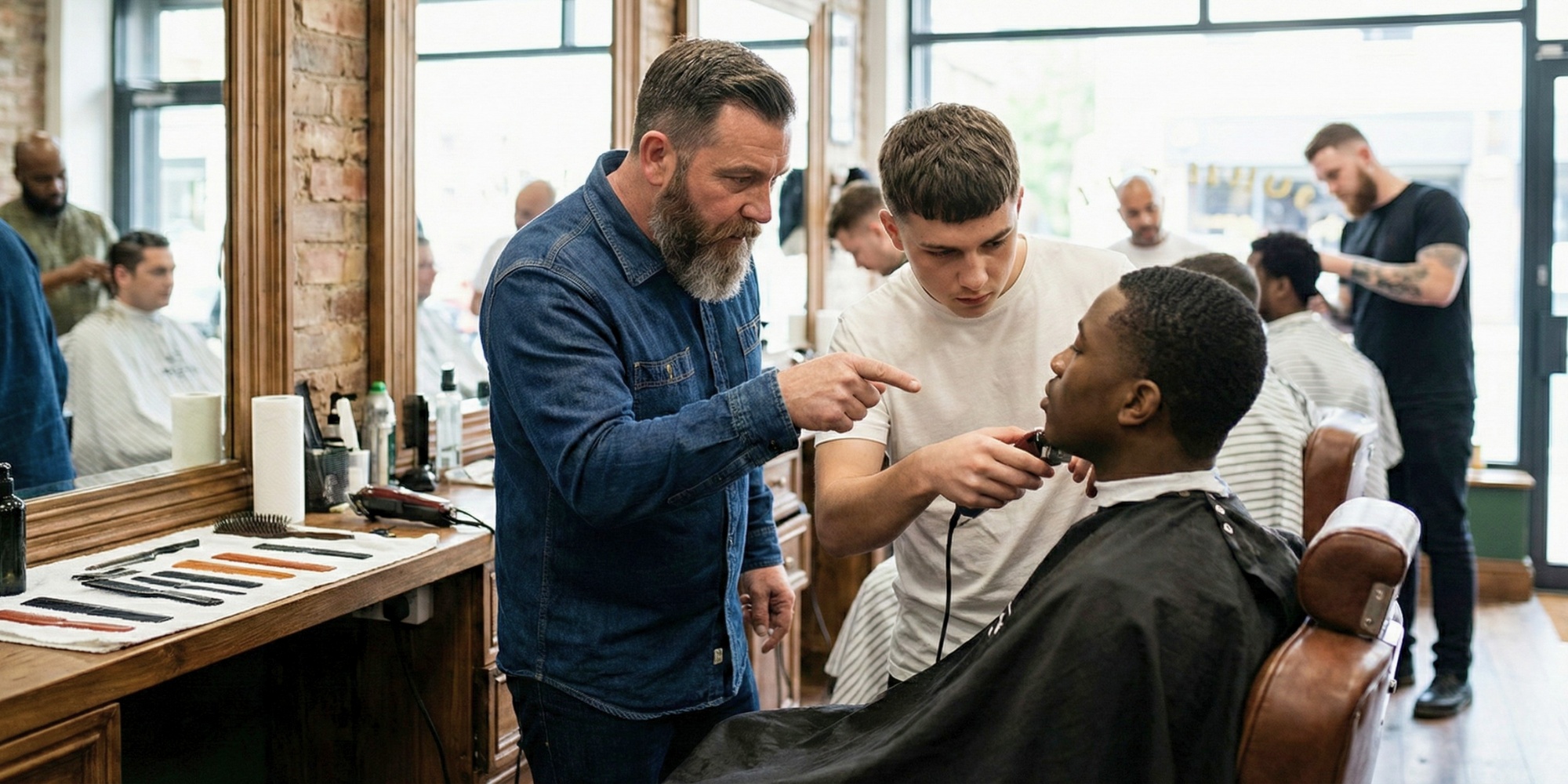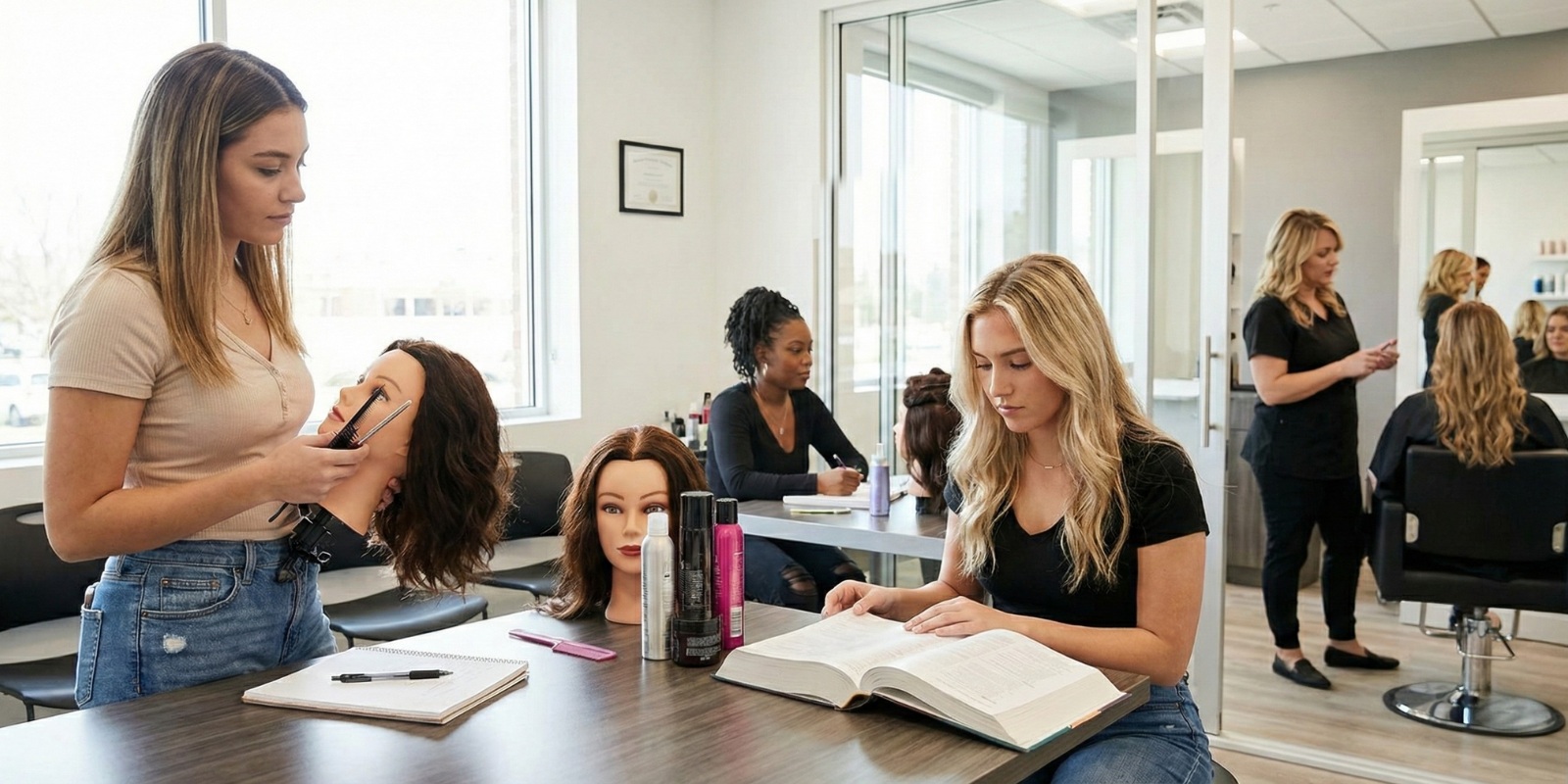
Starting Barbering School in 2026: Costs, Program Length, and How to Enroll

I’ve spent a lot of time in the beauty and grooming industry, and I’ve noticed that the path to becoming a professional usually starts with a simple realization. You might be watching someone perform a perfect fade or enjoying the atmosphere of a local shop when you suddenly realize that you want to be the one behind the chair. I love that initial spark of inspiration, but I also know that once the excitement settles, the practical questions start to pile up.

It is completely normal to feel a bit stuck when you look at the logistics of tuition, state requirements, and class schedules. I want to help you clear away that uncertainty so you can focus on your craft. I’ve put together a guide on what you can expect when starting barber school in 2026, focusing on the facts without all the confusing industry talk.

How Long Will You Be in Training?

One of the first things people ask me is how long does it take to learn barbering. In this industry, we don’t really measure our progress in years or semesters. Instead, everything is based on the number of hours you spend in the classroom and on the clinic floor. Every state sets its own specific hour requirements that you must meet before you can take your licensing exam.

  • The Shorter Programs: In states like Oregon, you can often finish your training in about 750 hours.
  • The Average Path: Most states, including California and Texas, require 1,000 hours of training.
  • The Longer Requirements: A few places, such as Michigan, still ask for 1,800 hours.

I know that most of you are trying to balance your education with a job or a family. I usually suggest looking for a barbering academy that offers a schedule that fits your life. For example, barbering day courses often run about 26 hours a week, which means you could finish in around 40 weeks. If you need to work during the day, barbering night courses or evening classes are usually about 18 hours a week and take roughly 58 weeks to complete.

Breaking Down the Costs

I think it is important to be realistic about the financial side of things. When you look at a local barber college, the tuition price can change depending on where you are located and the reputation of the school. Generally, you should expect to see prices anywhere from $10,000 to $25,000 for a full program.

I always tell my students to remember that tuition isn’t the only expense. Most barbering courses require you to buy a professional tool kit. I recommend budgeting between $1,000 and $3,000 for high-quality clippers, razors, and shears. It is a significant investment, but these tools will be with you for years.

If you are worried about the price, I have some good news. You don’t always have to pay for everything yourself.

  • Federal Financial Aid: Many accredited schools allow you to apply for financial aid for barbering school through FAFSA.
  • Federal Grants: For the 2025-2026 school year, the maximum Pell Grant is $7,395, and since it is a grant, you usually don’t have to pay it back.

Enrollment Requirements and Qualifications

I have talked to many talented people who were afraid they couldn’t enroll because they didn’t finish high school. I want to reassure you that there are often ways to make it work.

If you are wondering if you can go to barber school without a high school diploma, the answer is often yes. Many institutions use what is called an Ability to Benefit test. If you can pass this exam, you can start your training. In some cases, you can even work on your GED while you are taking your barber course.

I also get questions about the minimum age. If you are looking into barber school under 18, you are actually in a great position to start your career early. States like Texas allow students to start as early as 17, meaning you could be licensed and working before many of your peers even graduate from a traditional college.

Join Us at USA Beauty and Barber Academy

I truly believe that choosing the right school is the most important step in your journey. Our academy is designed to be a supportive environment where you can develop your skills under the guidance of experts who have over 80 years of combined experience in the industry.

We focus on making sure you are ready for the real world. I want every student who walks through our doors to feel confident and prepared for their licensing exams and their future career. When you join us, you become part of a community that is dedicated to your success.

I would love to help you figure out which path is right for you. You can find more details about how to get started over at Enrollment.

If you have more questions about our schedules or how to apply, please fill out the contact form at the bottom of this page. One of our advisors will reach out to you personally to help you plan your future in the barbering industry.

Steps To Becoming A Barber: Everything You Need To Know About Barbering

If you’re currently looking into how to become a barber, you’re probably feeling a mix of excitement and a little bit of anxiety. It’s a big move. You aren’t just looking for a new job; you’re looking for a craft that gives you a set of skills you can take anywhere.

I want to break down everything you need to know about barbering so you can decide if this is the right path for you. I’ll walk you through what the day-to-day really looks like, the steps to becoming a barber, and how the learning curve actually feels when you’re starting out.

Introduction To Barbering: More Than Just a Haircut

When people ask how can I get into barbering, I usually start by clarifying what the job actually is. It’s easy to look at a cool video online and think it’s all about the art, but it’s a service-heavy trade. You are responsible for a result that the client has to live with for weeks – every single time.

In my experience, the core of the job comes down to:

  • Technical Precision: Working with fades, tapers, and straight razors. It’s about clipper control and understanding how different hair types behave.
  • Safety Standards: This isn’t the “fun” part, but it’s the most important. You have to be an expert in sanitation and disinfection to keep your chair – and your clients – safe.
  • Social Energy: You’re talking to people all day. You have to manage expectations and turn a “bad hair day” into a confidence boost.
  • Physical Endurance: You’ll be on your feet for hours, often repeating the same precise movements while staying focused.

If you look at the U.S. Bureau of Labor Statistics (BLS) Occupational Outlook Handbook, you’ll see that barbers are a reliable trade with steady demand. While statistics provide a baseline, your real success comes from how you handle the person in your chair.

Should I Get Into Barbering? The Reality Check

I often get asked: “Is barbering a trade?” Yes, absolutely. And like any trade, it requires a specific mindset. I’d say this is a great fit for you if you enjoy seeing immediate results from your work and you’re the type of person who likes getting better through repetition.

I would seriously consider this path if:

  • You like the idea of a hands-on career where you see progress daily.
  • You’re okay with being a beginner for a while.
  • You enjoy interacting with people (even if you’re a bit introverted).

On the flip side, you might want to rethink it if you’re looking for “instant” expertise or if you really dislike customer-facing work. Barbering takes patience, and your first few cuts won’t be masterpieces. That’s okay – everyone starts there.

Is Barbering Worth It? The Numbers and the Growth

Let’s talk about the money and the lifestyle, because you need to know if the effort matches the reward.

What The Data Tells Us

According to the BLS, the median hourly wage for barbers was $18.73 as of May 2024. If you’re working full-time, that’s about $38,958 a year.

However, I always tell people that the statistics don’t tell the whole story. Your income depends heavily on your location, your speed, and most importantly, your client retention. Once you build a loyal following, you aren’t just earning an hourly wage; you’re managing a book of business. With tips and the right shop model, the ceiling can be much higher than the median stats suggest.

The industry is also growing. The BLS projects a 5% growth in employment for this sector through 2034, with about 84,200 openings per year across the combined group.

Steps To Becoming A Barber: Your Professional Roadmap

While every state has its own specific rules, the structure is usually similar. Here is how you can move from a fan of the craft to a professional.

Step 1: Research Your Local Regulations First

Licensing is regulated by state boards, so your first move should be checking your local requirements. You want to know exactly how many hours of training you need and what the exam looks like before you commit. For example, Pennsylvania notes that if you move states, you might need a certification letter or an endorsement exam. Don’t skip this research!

Step 2: Find The Best Way To Learn Barbering

There are generally two ways people get started:

  • Formal Schooling: You get a structured environment, instructors focused on your success, and a clear path toward meeting state hour requirements.
  • Apprenticeships (Where Allowed): Some states, like California, allow you to earn a wage while you learn under a licensed professional. It’s a “learn by doing” approach, though it requires finding a willing shop and board approval.

Step 3: Focus On The “Qualified Barber” Skill Stack

How do you become a qualified barber in the eyes of a shop owner? You master the basics. Focus on your sanitation habits, clipper fundamentals, and your consultation skills. I’ve seen many talented cutters lose clients because they didn’t listen to what the person in the chair actually wanted.

Step 4: Ace The Exams

You’ll typically have to pass both a theory (written) exam and a practical (hands-on) exam. Treat the sanitation portion like it’s the most important part of the test – because for the state board, it usually is.

Step 5: Start Working And Keep Learning

Once you have that license, the real education begins. Your early goal is simple: be consistent, get faster without being sloppy, and build repeat clients.

Is Barbering Easy To Learn Or Hard To Learn?

The honest answer is: it’s both. It’s easy to start because you can learn the basic concepts quickly. But it’s hard to master because every head is different, and clients bring pressure.

If you’re wondering how to learn barbering fast, the secret is just getting more “reps” in. The more heads you cut, the faster your hands will move without you having to think about it. Consistency always beats intensity.

Can I Learn At Home Or Online?

I see people asking about how to learn barbering at home or how to learn barbering online all the time. While you can definitely find amazing tutorials for tool maintenance or “intro to barbering” concepts, you can’t really learn barbering for free in a way that leads to a license. Think of online videos as a supplement to your formal training, not a replacement for it.

Start Your Journey At USA Beauty Academy

If you’ve read this far and you’re thinking, “I’m ready to start being a barber,” the next step is finding the right environment to train in. At USA Beauty Academy, we specialize in helping people turn their passion into a career.

We know that the path to licensure can feel overwhelming, which is why we’ve built our program to cover everything from the technical cuts to the business side of the industry. We focus on making sure you’re ready for the state board and, more importantly, ready for your first day in a real shop.

If you want to see the campus for yourself and get more details on how we can help you reach your goals, the best thing to do is find out more in Enrollment. We have a contact form right below this article where you can leave your info, and someone from our team will reach out to chat. I’d love to help you map out a plan that actually works for you!

The Ultimate Guide on How to Get a Cosmetology License (With or Without School)

I’ve always believed that starting a career in the beauty industry is one of the most rewarding moves you can make, but I often see people get stuck before they even pick up a pair of shears. The technical skills are the fun part, while the legal side of things usually feels like a wall of paperwork and confusing jargon. I want to help you clear that hurdle so you can focus on your craft.

Navigating the path to becoming a licensed professional doesn’t have to be a mystery. While the rules change depending on where you live, the general process follows a very specific logic. I have broken down the journey into manageable steps to help you understand how to get a cosmetology license and stay compliant throughout your career.

Establishing Your Foundation Through State Rules

The most important thing to remember is that beauty services are regulated at the state level. When you start looking into cosmetology requirements by state, you are essentially looking for a set of rules created by a specific board to ensure public safety. Because these rules are not universal, I always recommend starting your journey at the source.

You should locate the official website for the Board of Cosmetology in your specific state. This is where you will find the most accurate information regarding training hours and exam types. For instance, California requirements will find a need for 1,000 hours of instruction. In Virginia, the state recently implemented a 1,000-hour curriculum as well. Relying on your state board is the only way to ensure you are meeting the exact cosmetology license requirements needed to move forward.

Choosing the Right Educational Path

Once you know the hours required, you have to decide how you want to earn them. Most people choose the traditional route of attending a cosmetology school. These institutions provide a structured environment where you learn everything from sanitation to advanced styling. I suggest looking for schools that are state-approved and, if you need financial assistance, accredited by a recognized agency.

Some people prefer to explore how to get cosmetology license without school entirely. In many cases, this refers to a cosmetology apprenticeship. This path allows you to train under a licensed professional in a real salon environment. At the federal level, a Registered Apprenticeship is a formal model that combines paid work and mentored learning.

While this is a great alternative, it is not available in every state. For example, in California, this route has been highlighted as a lower-cost optionn. If you are interested in an apprenticeship for cosmetology, you should check with your state board or use resources like Apprenticeship.gov to see if it is a valid option in your area.

Managing the Financial Side of Your Education

I know that the cost of training can be a major stressor. Education is an investment, but there are ways to make it more manageable. If the school you choose is eligible for federal aid, you might be able to use the FAFSA to help cover tuition. You can verify if a school participates in these programs by checking their code on the Federal Student Aid website.

If you are having trouble finding a specific code, Federal Student Aid explains that the school might not be participating in federal aid programs. There are also potential tax benefits to consider. The IRS generally allows for the deduction of qualified education expenses if you attend an eligible educational institution. This usually includes trade schools that are part of the U.S. Department of Education student aid programs. While I am not a tax professional, it is a detail worth looking into as you plan your budget.

Preparing for the Professional Examination

After you finish your hours, you will face the cosmetology state board exam. This is often the most nerve-wracking part of the process for my readers. The exam typically consists of a written portion and a practical demonstration of your skills.

Many states use exams developed by the NIC, which provides bulletins that outline exactly what you need to know. Some regions also work with vendors like Prometric to administer their tests. If you are wondering how to pass cosmetology state board exam, my best advice is to treat the practical portion like a rehearsed performance. I find that most people lose points on procedural steps like infection control and proper labeling rather than the actual beauty service. A quick look at online forums shows that many people struggle with this because they lack structured practice. Practicing these steps until they are automatic is the key to walking into that room with confidence.

Navigating the Application and Timeline

I often get asked how long does it take to get a cosmetology license from start to finish. The answer depends on your training schedule and the speed of your state board. Beyond the months spent in school, you have to account for the time it takes to process your paperwork.

When you are ready to move forward, you should learn how to apply for cosmetology license through your state’s online portal if they have one. For example, California provides clear checklists and uses a system called BreEZe which handles everything from the initial application to address changes and license verification. Using online systems usually speeds up the process significantly compared to mailing in paper forms, which can take up to 8 weeks.

Maintaining Your Professional Status

Earning your license is a huge milestone, but your responsibilities do not end there. You will eventually need to look into cosmetology license renewal to keep your status active. Different states have very different cycles for this. New York requires a renewal every four years, while Texas provides a streamlined online flow for license holders to update their information and handle renewals.

If you let your license lapse, the consequences can vary. In Pennsylvania, an expiration of more than five years might require you to retake the entire exam. Florida has even stricter rules regarding licenses that become null and void, often requiring proof of hardship to get them back. I recommend setting a reminder on your phone the moment you receive your license so you never miss a deadline.

Moving Your Career Across State Lines

If you decide to move, you will need to understand the process for a cosmetology license transfer from state to state. This is often referred to as reciprocity or endorsement. You aren’t just moving a piece of paper; you are asking a new state to recognize your previous training and testing.

Some boards, like California, will send official verification letters directly to other states to help. Many states are also joining a licensure compact. Virginia is one of the states leading this effort, with hopes to have a more mobile licensing system active by early 2026. Until then, you will likely need to provide verification of your hours and exam scores from your original board to your new one.

Handling Unique Licensing Situations

I want to address some of the more sensitive parts of the licensing process that people often worry about. If you do not have a Social Security Number, California’s Board allows you to use an ITIN for your application. This can be a game-changer for many aspiring professionals.

If you have a background involving a misdemeanor or felony, do not assume the door is closed. Many states, including Texas, review these situations on a case-by-case basis. Being transparent with your board early in the process is always the best policy.

Taking the Next Step in Your Career

I hope this breakdown makes the path forward feel a little less daunting. If you are looking for a place to start your journey and get the professional training you need, I highly recommend looking into the opportunities we offer at USA Beauty Academy.

I believe that having the right support system makes all the difference when you are navigating the steps to get licensed. We are dedicated to helping you move through the training process smoothly so you can focus on building the career you have always wanted.

If you want to see what your future could look like, you can find out more about the enrollment process on our Enrollment page.

I would love to help you get started. If you have questions about how we can help you reach your goals, please fill out the contact form right below. I look forward to helping you turn your passion for beauty into a professional reality.

Can Anyone Get Into Cosmetology School? Here’s Who Beauty Schools Are Really For

Starting a career in beauty is exciting, but I know how quickly that excitement turns into stress when you start looking at the fine print. If you’ve been wondering whether you can actually get into beauty school – especially if you’re coming in with a GED, haven’t finished your diploma, or you’re still a teenager – I want to give you the straight facts. I’m not here to give you a sales pitch; I’m here to explain how the requirements actually work so you can make a plan that sticks.

Why This Feels So Confusing: There Are Three Different “Yes/No” Answers

The reason you’re likely getting mixed messages is that there isn’t just one set of rules. There are actually three different “gatekeepers” you have to satisfy, and their requirements don’t always overlap.

School Admission Requirements

This is simply what a specific campus needs to let you through the door. While most schools prefer a high school diploma or a GED, some might offer conditional paths or specific testing to see if you’re ready for the coursework.

State Licensing Eligibility

This is the most critical part because it’s about your future license. In Georgia, this is governed by the Georgia State Board of Cosmetology and Barbers. They set the bar for who can actually sit for the state exam, including rules on age and prior education that the school is legally required to follow.

Financial Aid Eligibility (FAFSA/Title IV)

This is a federal level requirement. If you’re planning on using federal grants or loans, the rules can be a bit more rigid. For students without a standard diploma or GED, there are sometimes “Ability-to-Benefit” pathways available through specific career programs, but these have very specific federal guidelines.

Separating these three categories is the fastest way to stop feeling overwhelmed and get a real answer.

GED, No Diploma, No GED: What That Usually Means in Real Life

If You Already Have A GED

Most of the time, having a GED is treated exactly like having a high school diploma for enrollment. It’s a very common and accepted route, which is why you see so many people asking if they can go to school with one – the answer is almost always a solid yes.

If You Don’t Have A Diploma Or GED Yet

This is where you need to be a little more careful with your planning. Some schools might let you start your training through paths like:

  • Conditional enrollment (starting your classes while you finish your GED on a set schedule)
  • Ability-to-Benefit (ATB) testing, which confirms you’re academically prepared for the program
  • Career pathway setups that combine adult education with your beauty training

The big thing to remember here is that being allowed to attend class doesn’t automatically mean you’re eligible for federal aid or that you’ve met the Missouri state licensing rules. Always confirm that part first.

Under 18, Starting at 16, and High School Programs

I often hear from 16 and 17-year-olds who are ready to get their career moving right now. In many cases, you can actually begin your training at 16, but if you’re under 18, you’ll need a parent or guardian to sign your enrollment papers.

There are also options for cosmetology for high school students through vocational programs. Just make sure to verify that the hours you earn in those programs will be recognized by the state board before you commit your time.

Is Everyone Able to Get In? What Actually Stops People

People often ask me if it’s hard to get into cosmetology school or if they have to be naturally talented to get accepted. Honestly, talent isn’t what usually blocks people.

Most delays or rejections happen because of:

  • Document issues (missing IDs, birth certificates, or transcripts)
  • Money timing (not having your FAFSA or tuition plan ready by the start date)
  • Start-date capacity (schools have legal limits on how many students they can take per instructor)

So, while not everyone gets in the second they apply, it’s usually because of paperwork or scheduling, not a lack of potential.

How to Get a Clear Answer Fast Without Feeling Misled

If you want to know “yes or no” right now, follow these three steps.

1) Start With Licensing Rules

Check the Missouri state requirements first. Make sure you meet the age and education minimums required to eventually get your license.

2) Confirm The School Matches Your Goal

Make sure the school’s curriculum aligns with what the state board expects, and if you need federal aid, confirm that the school is eligible to offer it for your specific situation.

3) Ask One Question That Forces Clarity

When talking to admissions, try asking: “Can you confirm your requirements for my current education status, and will this program qualify me for a Missouri state license and federal aid?” A clear program will have no problem giving you a direct answer.

Who Beauty Schools Are Really For (and How to Set Yourself Up to Win)

You don’t need to be “born with it” to succeed in beauty school. It’s for people who are ready for structured training and hard work. In my experience, you’ll do best if you keep these realities in mind:

  • Skill comes from repeating a technique, not being perfect the first time.
  • Using feedback is your biggest superpower for growth.
  • Confidence is something you build on the floor, one client at a time.
  • Attendance is non-negotiable because your clock hours are what get you to the finish line.

If you’re coming from a non-traditional background, don’t let “imposter syndrome” stop you. You belong here as long as you have a plan and the right support.

Your Future in Beauty at Neosho Beauty College

Once you’ve cleared the requirements, the real fun begins: building your career. At USA Beauty & Barber Academy, we focus on making sure you aren’t just clocking hours, but actually preparing for the industry. Our training is designed to get you ready for the state board and beyond.

Programs That Align With Common Career Goals

We offer several specialized paths depending on your passion:

  • Master Cosmetologist
  • Master Barber
  • Esthetician
  • Nail Technician
  • Instructor Training

Before You Apply: Read Our Admission Requirements

We believe in being transparent about what you need to get started. I highly recommend checking out our enrollment page to see the specific documents and qualifications required. Knowing what to prepare ahead of time will make your enrollment process much smoother.

Ready To Take The Next Step?

If you’re ready to see the campus for yourself, our contact form is right below. Fill it out, and our team will reach out to help you pick the right program and schedule a tour.

Cosmetology Without a License – What Beauty Jobs Can You Legally Do?

Whether you are looking to jumpstart your career or you are just curious about the industry, the question of “cosmetology without a license” comes up a lot. I get it – beauty school can feel like a huge commitment of time and money, and sometimes you just want to start earning and building your brand right now.

But before you dive in, you need to know where the legal lines are drawn. Working “under the table” or guessing the rules is a quick way to end up with a heavy fine or a shut-down business before you even really get started.

I want to help you figure out exactly what you can do legally, how to stay safe, and which paths allow you to build a beauty empire without having to wait for a state board exam.

Permission vs. Skill: Understanding the Paperwork

Before we talk about specific jobs, let’s clear up the jargon. I see people use these terms interchangeably all the time, but in the eyes of the law, they are worlds apart.

The Professional License

Think of this as your permission to practice. States require a license for certain services because they involve chemicals, sharp tools, or high sanitation risks. It’s the government’s way of saying you know how to keep the public safe. Without it, you generally cannot practice cosmetology on a paying client.

Professional Certification

This is proof that you took a specific course (like a lash class or a specialized makeup seminar). It’s great for your resume and shows you have the skills, but a certificate is not a legal license. You can be the best artist in the room, but a certificate alone doesn’t always give you the legal right to charge for services.

The Business License

Even if you aren’t doing hair or skin, if you are selling products or running a shop, you need a business license. This is just about taxes, zoning, and local laws. You can often own a salon without a cosmetology license, but you’ll still need this business paperwork to keep things “above board.”

A simple way to look at it: License = Legal permission to touch clients, Certification = Proof you learned a skill, Business License = Permission to trade and pay taxes.

Why Do Some Services Require a License While Others Don’t?

It mostly comes down to physical risk. State boards care about things that could potentially hurt a client.

Usually, you’ll need a license if the work involves:

  • Cutting or altering the structure of hair
  • Using strong chemicals (like bleach, perms, or chemical peels)
  • Anything that could break the skin or cause an infection
  • Tools that require intense sterilization (like metal nippers or lancets)

Services that stay on the very “surface” of the skin or hair – and don’t involve permanent changes or dangerous chemicals – are often where you find the most flexibility. However, keep in mind that rules can change depending on where you live.

Beauty Careers You Can Start Right Now Without a License

If you’re wondering what cosmetology jobs without a license actually look like, there is a whole world beyond the stylist chair. I’ve seen many people build incredible careers using these exact paths.

Non-Service and Admin Roles

You don’t need to touch a single strand of hair to be a vital part of a salon.

  • Salon Coordinator or Manager: You handle the bookings, the inventory, and the customer service.
  • Beauty Retail and Brand Reps: Working for big beauty retailers or representing professional brands at trade shows.
  • Consulting: You can help people build skincare routines or choose products, as long as you aren’t physically applying treatments.
  • Beauty Writing: Creating content for blogs, product descriptions, or newsletters.

Product-Based Beauty Businesses

This is one of the smartest ways to scale your income without a license.

  • Press-on Nail Brands: You can design incredible art on tips and sell them. Since you aren’t touching a client’s hands, the answer to “can I be a nail tech without a cosmetology license” is often yes for this specific product path.
  • Lash and Hair Accessories: Selling your own line of lashes, brushes, or styling tools.
  • Digital Products: Creating guides, planners, or e-books for other beauty enthusiasts.

Salon Ownership: Can You Be the Boss Without a License?

One of the biggest myths is that you have to be a stylist to be a “boss.”

In many states, you can own a salon without a cosmetology license. You can be the visionary, the investor, and the business lead. The key requirements are:

  • Licensed professionals must be the ones performing regulated services
  • The facility itself usually needs an establishment or salon license
  • You must follow all local zoning and health department rules

So, if you’ve ever asked “how to open a hair salon without a cosmetology license,” the secret is focusing on the business operations and hiring a great licensed team.

Lashes, Nails, and Hair: Where the Legal Line Sits

I get these specific questions a lot, so let’s break down where the risk tends to be highest.

What is Usually Regulated?

  • Lashes: Because you’re using adhesives near the eyes, most states require a license. If you’re wondering “can I do lashes without a cosmetology license,” the answer is usually no for applications, but yes for selling products.
  • Nails: Paid nail services involving tools or cuticle work are almost always regulated.
  • Hair: Cutting and chemicals (color/perms) are strictly licensed. Simple dry styling or braiding is sometimes a gray area depending on the state.
  • Makeup: This is often lower risk, but some states require a license if you’re working in a salon setting.
  • Microblading: This is usually treated as permanent makeup or body art, requiring separate permits.

How to Build Income Safely

While you aren’t licensed, focus on “no-touch” or “low-risk” areas:

  • Education: Tutorials using mannequins or product reviews.
  • Content Creation: Becoming a brand ambassador or influencer.
  • Sales: Helping clients pick out the right hair or skin products.

How to Check the Rules Without Getting Overwhelmed

If you want to stay legal, follow this simple checklist:

1) Identify your specific service
Be precise. Are you “applying lashes” or “selling lash kits”? The difference is huge.

2) Find the right authority
Contact your local State Board of Cosmetology or the Health Department.

3) Look for exemptions
Some states have specific rules for “braiding only” or “makeup for film” that don’t require a full license.

4) Build a legal bridge
Work in retail, admin, or content creation while you are in school or saving up for your training.

Final Thoughts on Growing Your Beauty Career

The beauty industry is massive, and there is plenty of room for everyone. Whether you choose to go the traditional route or find a niche in the digital or retail space, the most important thing is to do it with integrity.

Starting with a solid legal foundation prevents future headaches and allows you to focus on what you really love – making people feel beautiful. I always recommend checking your local state board website just to be 100 percent sure of your specific city’s rules before you launch!

Can You Work as a Barber, Lash Tech, Esthetician, or Nail Tech with a Cosmetology License? What You Need to Know

If you have ever stared at your beauty license and wondered exactly where the legal boundaries are, I promise you are not alone. I see it all the time: students or recent grads wanting to know if they can start taking lash clients, offer high-end facials, or pick up a pair of clippers at a barbershop using just their cosmetology credentials. The confusion is real because, while a cosmetology license is broad, it doesn’t mean you can do everything in every state. It all comes down to your scope of practice.

I always tell people that what a school says or what a salon owner “allows” doesn’t matter as much as what your state board legally defines. Before you start booking clients for a new service, you need to know if you’re protected by the law.

The “Scope of Practice” Reality Check

In the U.S., every state gets to decide what falls under the umbrella of “cosmetology.” For instance, New York has a very inclusive definition. Their FAQ page explains that cosmetology covers esthetics, nails, and waxing, but it also surprisingly includes shaving and trimming beards.

Then you have Texas, which is very specific but different. The TDLR guides spell out exactly what a Cosmetology Operator can do. For example, they allow safety razors but strictly forbid straight-razor shaving for cosmetologists. So, when people ask me, “Can I work as an esthetician with a cosmetology license?” my answer is always: You can do exactly what your state says you can do – nothing more, nothing less.

How I verify a service before adding it to my menu:

  1. Find your state regulator’s website (like the State Board of Cosmetology).
  2. Look for “Laws and Rules” or “Scope of Practice” documents.
  3. Search for specific keywords: eyelash extensions, facials, waxing, or microneedling.
  4. If you’re still unsure, email them. Save that written response! It is your ultimate insurance policy.

States like California make this easier by publishing “Industry Bulletins” whenever a new trend (like lash lifts or new devices) hits the market.

Can You Be an Esthetician With a Cosmetology License?

In most cases, yes – but there is a catch. Most states include “basic skin care” in the cosmetology curriculum. For example, Florida’s statutes explicitly list skin care and hair removal under the cosmetology definition. However, the industry usually separates “basic” from “advanced.”

Where the line gets blurry: Basic vs. Advanced

  • Basic services: Classic facials, surface-level exfoliation, and waxing are usually fair game.
  • Advanced procedures: This is where you have to be careful. In Illinois, regulators are very strict about anything that affects the “living layers” of the skin.
  • The “Esthetician” Title: This is a big one. Even if you can legally perform a facial, The National Coalition of Estheticians Association points out that some states do not let you actually call yourself an “Esthetician” unless you have that specific license.

If you are wondering how to become an esthetician with a cosmetology license, you might look into a cosmetology to esthetician crossover program to bridge the gap in advanced clinical knowledge. Many people ask, do you need a cosmetology license to become an esthetician? The answer is no, you can get a separate license, but the crossover path is great if you already have your hours.

Doing Nails and Lashes: What’s the Rule?

Can I be a nail tech with a cosmetology license?

This is almost always a “yes.” States like Texas include manicuring, pedicuring, and extensions directly in the cosmetology operator scope. It is the most common crossover. People often ask, can I do nails with a cosmetology license in texas, and the answer is yes, as long as you follow the sanitation rules. Just remember: even if it is legal, your reputation depends on your training in hygiene and safety.

Can you do lashes with a cosmetology license?

Lashes are the biggest source of confusion. People often confuse a course certificate with a legal license. In California, you must be a licensed cosmetologist or esthetician to apply extensions. In Texas, they offer a specific “Lash Specialty” license, but they also allow Cosmetology Operators to perform those same services. I have spent time on professional forums like SalonGeek, and the consensus is always: check your insurance. Even if the state says you can do lashes, if your policy doesn’t cover “eye-area services,” you are at risk.

The Barbering Crossover: Can a Cosmetologist Work as a Barber?

This is where the most surprises happen. While both cut hair, the legal “wall” is usually the straight razor. In Texas, a cosmetologist can do almost everything a barber does, except they cannot use a straight razor or advertise that they offer straight-razor shaves. On the flip side, a Class A Barber in Texas can do almost all cosmetology work, except for eyelash extensions.

If you are looking for a cosmetology to barber crossover, many states offer shorter programs to help you get that second license so you can legally pick up the straight razor and answer the question: how can a cosmetologist become a barber correctly for your specific state.

The Danger of Working Without a License

I get it – school takes time and money. But trying to work as an esthetician without a license or searching for how to work as a barber without a license is a massive gamble. Most state boards explicitly state that you cannot even advertise services for pay if you are not licensed. If you get caught, it could prevent you from ever getting licensed in the future. It is always better to finish your hours and play by the rules.

Ready to Find Your Path at USA Beauty Academy?

If all these different rules have your head spinning, do not worry. This is why choosing the right training environment is so important. At USA Beauty Academy, we focus on helping you understand these lanes so you can build a career that actually lasts.

1. The All-Rounder Path

If you want the most flexibility, our Cosmetology program (1,500 hours) is the way to go. It covers the fundamentals of hair, skin, and nails. This is for the person who wants to be able to do “a little bit of everything” legally.

2. The Specialist Path

If you already know you only want to focus on one thing, you can dive deep into our specialized programs:

3. Move Into Leadership

If you have already been in the game for a while and want to give back, we also offer an Instructor program to help you train the next generation of pros.

Your Next Step

Licensing does not have to be a mystery. If you want to see our clinic floor, meet the instructors, and figure out which program fits your goals, the best move is to come see us in person. You can request a campus tour right on our website, and one of our admissions team members will reach out to help you map out your future.

What Careers Can You Have With a Cosmetology License? (Offline and Remote)

When I first started looking into the beauty industry, I noticed a common myth: people think that getting a cosmetology license means you are stuck behind a salon chair for the rest of your life. While I love the energy of a busy salon, the reality is much bigger. Your license is actually a versatile key that opens doors to dozens of different cosmetology occupations, ranging from medical settings to high-tech remote roles.

If you have been asking yourself what can you do with a cosmetology license besides hair, you are in the right place. I want to share some of the best cosmetology careers that offer stability, creativity, and even the chance to work from your couch.

Can You Really Work From Home? (Remote and WFH Options)

One of the most frequent questions I get is: can you work from home with a cosmetology license? It sounds like a dream, right? While you obviously cannot cut a client’s hair through a Zoom call, there are several cosmetology jobs remote that allow for a flexible lifestyle.

Online Color Consulting

This is one of the most legitimate cosmetology jobs work from home that I have found. Companies like eSalon often hire licensed pros to act as “Online Colorists.” You use your professional knowledge to help customers choose the right formulas and troubleshoot their results from your home office.

Brand Support and Virtual Education

If you are good at explaining the “how” and “why” behind products, you might thrive in remote jobs with cosmetology license requirements in the corporate world. Many hair care and color brands need licensed experts for:

  • Digital customer support for pro-grade products
  • Creating educational webinars for other stylists
  • Consulting on product development

Content Creation and Digital Coaching

You do not need to be a “mega-influencer” to find online jobs with cosmetology license benefits. Many pros create paid digital workshops or specialized training resources for other stylists. Your license gives you the professional credibility that “DIY” creators simply do not have.

Traditional and Creative Offline Career Paths

Of course, most cosmetology career opportunities are still hands-on. If you enjoy interacting with people in person, the variety of jobs in the cosmetology field is incredible.

High-End Salon and Specialized Studio Work

The most common professions in cosmetology involve cutting, coloring, and styling. However, you can increase your earning potential by focusing on a niche like extensions, bridal styling, or texture-focused services. According to the Bureau of Labor Statistics, the market remains active with a median pay of $16.95/hour (as of May 2024) and roughly 84,200 annual openings on average over the next decade..

The World of Editorial and Screen Work

For those who love a fast-paced environment, careers under cosmetology include working on film sets, fashion shoots, or theater productions. In fact, for certain broadcast roles, organizations like IATSE Local 706 often require a valid license.

Specialized Care: Wigs and Medical Support

I find this to be one of the most rewarding jobs in the cosmetology industry. Some pros specialize in customizing wigs for patients experiencing medical hair loss. Organizations like the American Cancer Society and the National Alopecia Areata Foundation provide resources on how these services are often handled as medical necessities, which adds a deep layer of purpose to your work.

Corporate And “Stable” Beauty Roles

If you are looking for cosmetology jobs with benefits or a more structured schedule, you should look into the corporate side of the industry.

  • Brand Educators: You travel to different salons or trade shows to teach other pros how to use specific product lines.
  • Sales Representatives: Use your technical knowledge to help salon owners stock the best products for their business.
  • Salon Management: Many corporate jobs with cosmetology license requirements focus on the business side – managing staff, inventory, and growth.

Essential: Know Your Scope of Practice

Before you jump into a specific path, you must understand what does a cosmetology license allow you to do in your specific area. Every state has different rules. For example, Texas provides very detailed guides on what is allowed under different license categories.

If you are curious about setting up a home-based business, be careful. States like California have very strict home salon regulations regarding plumbing and separate entrances. My best advice is to always check with your local state board before investing in a specific niche.

How USA Beauty & Barber Academy Prepares You For These Moves

When you are looking for job opportunities for licensed cosmetologist positions, the quality of your training is your biggest asset. At USA Beauty & Barber Academy, we focus on giving you a foundation that works for both the creative and the business side of beauty.

A Program Designed For Real Success

Located in Peachtree Corners, Georgia, our school is led by experts with over 80 years of combined experience. If you are aiming for a Master Cosmetologist license, you will complete the 1,500 hours required by the state of Georgia. This comprehensive training ensures you are not just “passing a test” but actually ready for a high-paying licensed cosmetologist job.

Versatility In Training

We do not just focus on one skill. Our programs cover a wide range of needs:

  • Master Cosmetologist: A full-spectrum look at hair, skin, and nails.
  • Esthetician and Nail Technician: Specialized paths for those who want to focus on skincare or detail-oriented nail work.
  • Instructor Training: For those who want to move into the education roles I mentioned earlier.

Hands-On Experience With Pro Brands

I believe you should learn with the tools you will actually use in a high-end salon. That is why our student services are performed using professional lines like CHI. Getting your hands on quality products early on helps you understand the “why” behind the results – which is essential if you ever want to pursue cosmetology remote jobs work from home or brand education.

Take The Next Step

If you have been wondering what careers can you have with a cosmetology license, the best way to find out is to see the environment for yourself. You can schedule a tour at our campus in Peachtree Corners to meet the instructors and see our clinic floor in action.

How a Career in Beauty Can Transform Your Life

If you’ve ever dreamed of a career that allows you to be creative, meet new people, and make a real difference in others’ lives, a career in the beauty industry might be your perfect fit. At our beauty school, we offer more than just technical training — we provide an opportunity to change your life. Here’s how pursuing a career in beauty can transform you:


  1. Creative Freedom
    Whether you’re doing hair, makeup, or skincare, the beauty industry offers endless opportunities for creativity. Every day is different, and you have the freedom to express yourself while helping others look and feel their best.


  1. A Rewarding Career
    There’s something incredibly rewarding about helping someone feel confident in their appearance. As a beauty professional, you’ll have the chance to make a real impact on your clients’ lives, boosting their self-esteem and leaving them feeling empowered.


  1. Endless Career Opportunities
    The beauty industry is vast and diverse. Whether you want to work in a salon, open your own business, or travel the world as a makeup artist for high-profile events, the possibilities are endless. Our beauty school provides the foundation for a career with opportunities for growth and advancement.


  1. Job Stability and Flexibility
    People always need beauty services, making this a recession-proof career. As a beauty professional, you’ll enjoy job stability and flexibility, with the ability to set your own hours and even work remotely as a freelance artist.


  1. Ongoing Education and Growth
    The beauty industry is constantly evolving with new trends and techniques. Our beauty school ensures that you stay ahead of the curve, offering continuous education and professional development opportunities so you can keep growing in your field.


Ready to make a change? Enroll today to start your journey toward a fulfilling and dynamic career in the beauty industry. Let us help you unlock your full potential!

Top 5 Reasons to Enroll in Our Beauty School This Fall

As the crisp autumn air settles in, there’s no better time to take a step toward a rewarding career in the beauty industry. Whether you’re looking to become a skilled cosmetologist, esthetician, or nail technician, our beauty school offers an exceptional learning experience. Here are the top five reasons why you should enroll this fall:


  1. Comprehensive, Hands-On Training
    At our beauty school, you’ll receive in-depth training in a variety of beauty disciplines. From skincare techniques to the latest in nail artistry, our hands-on approach ensures you’re not only learning the theory but also gaining real-world experience that prepares you for success.


  1. Expert Instructors with Industry Experience
    Learn from the best! Our instructors have years of experience in the beauty industry and are passionate about teaching. You’ll gain insights and tips from professionals who have worked in top salons and spas, giving you the knowledge you need to excel.
  2. Flexible Scheduling for Busy Lifestyles
    We understand that life can get busy. That’s why we offer flexible class schedules, including evening and weekend classes, so you can earn your certification while balancing work, family, or other commitments.


  1. State-of-the-Art Facilities
    Our beauty school is equipped with the latest tools and technologies to help you learn and practice your craft. Our modern classrooms and fully equipped beauty labs ensure you’re working with the best equipment in the industry.


  1. Job Placement Assistance
    We don’t just want you to graduate; we want you to succeed. That’s why we offer job placement assistance to help you secure a position in top salons, spas, or even start your own business after graduation.


Don’t wait for the new year to start your dream career! Contact us today to schedule a tour or apply for our fall semester. Space is limited, so act fast to secure your spot!

From Passion to Profession: Turning Your Love for Beauty into a Career This Fall

From Passion to Profession: Turning Your Love for Beauty into a Career This Fall

Do you love experimenting with makeup, styling hair, or creating flawless nails? If your passion for beauty lights you up, why not transform it into a career? This September, our beauty programs are open for enrollment—helping students like you take the first step toward a future in the beauty industry.

Why Choose Beauty School?

The beauty industry isn’t just about trends—it’s about building skills that empower you to earn a stable, rewarding income. At Beauty School, we provide hands-on learning, industry-standard tools, and real client experience to make sure you’re job-ready the day you graduate.

Programs Designed for Success

  • Cosmetology: Master hair cutting, coloring, and styling.

  • Esthetics: Dive into skincare treatments, facials, and spa techniques.

  • Nail Technology: Learn everything from manicures to advanced nail art.

  • Instructor Training: Take your skills further by becoming a licensed educator.

Why Start in September?

Fall is one of the best times to begin. By starting now, you’ll finish your training just as new opportunities open in salons, spas, and even self-owned businesses. The demand for licensed professionals continues to grow, giving you countless ways to build your career.

Your Future Starts Here

Choosing a career in beauty means joining a supportive, creative community where you can thrive. With the right training, your passion becomes more than a hobby—it becomes your livelihood.

👉 Enroll this September and let your beauty journey begin. Your dream career is closer than you think!

SEO Keywords: beauty school fall enrollment, cosmetology training September, esthetician career path, nail technician program, beauty industry career