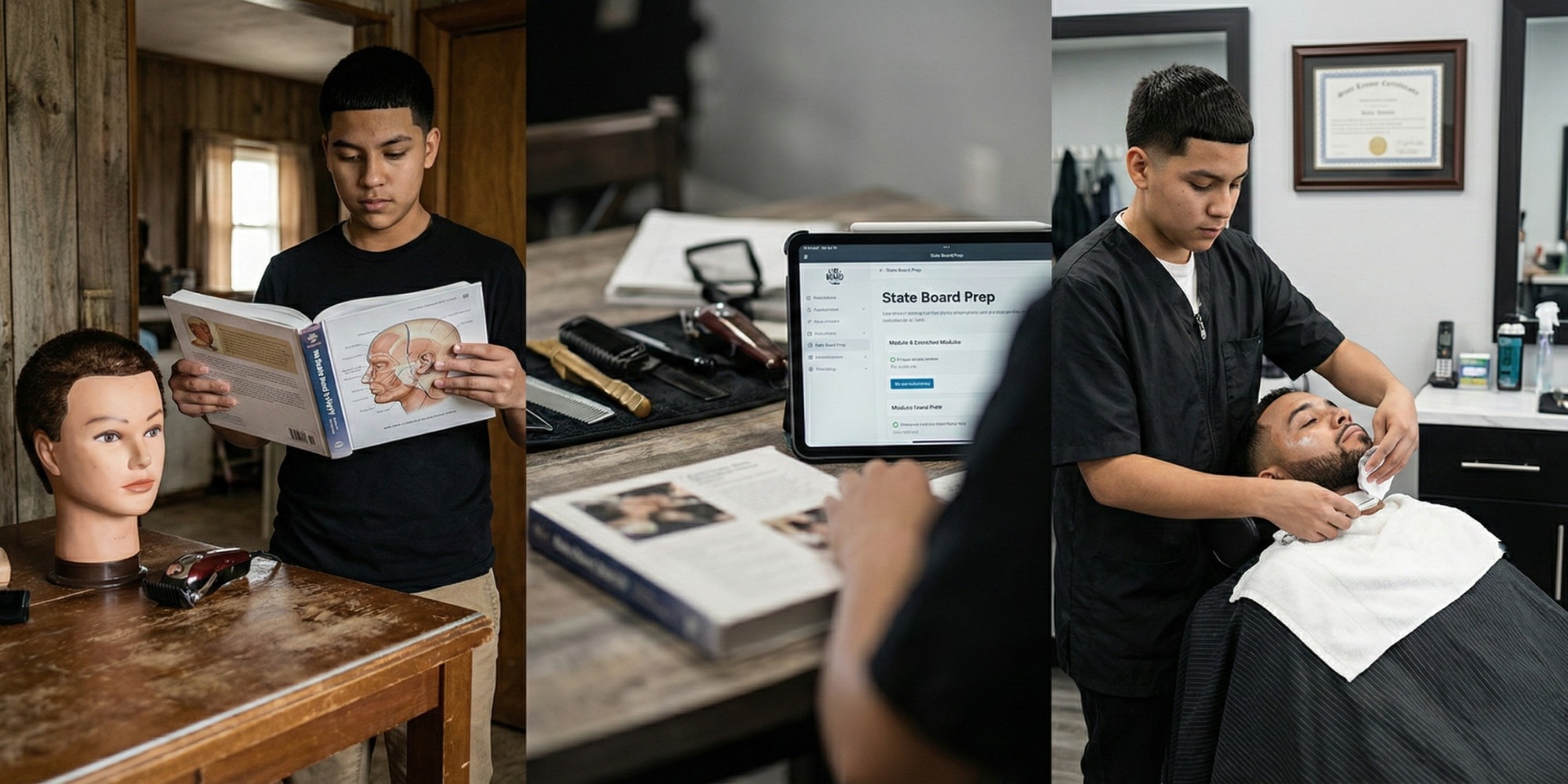
Starting Barbering School in 2026: Costs, Program Length, and How to Enroll

I’ve spent a lot of time in the beauty and grooming industry, and I’ve noticed that the path to becoming a professional usually starts with a simple realization. You might be watching someone perform a perfect fade or enjoying the atmosphere of a local shop when you suddenly realize that you want to be the one behind the chair. I love that initial spark of inspiration, but I also know that once the excitement settles, the practical questions start to pile up.

It is completely normal to feel a bit stuck when you look at the logistics of tuition, state requirements, and class schedules. I want to help you clear away that uncertainty so you can focus on your craft. I’ve put together a guide on what you can expect when starting barber school in 2026, focusing on the facts without all the confusing industry talk.

How Long Will You Be in Training?

One of the first things people ask me is how long does it take to learn barbering. In this industry, we don’t really measure our progress in years or semesters. Instead, everything is based on the number of hours you spend in the classroom and on the clinic floor. Every state sets its own specific hour requirements that you must meet before you can take your licensing exam.

  • The Shorter Programs: In states like Oregon, you can often finish your training in about 750 hours.
  • The Average Path: Most states, including California and Texas, require 1,000 hours of training.
  • The Longer Requirements: A few places, such as Michigan, still ask for 1,800 hours.

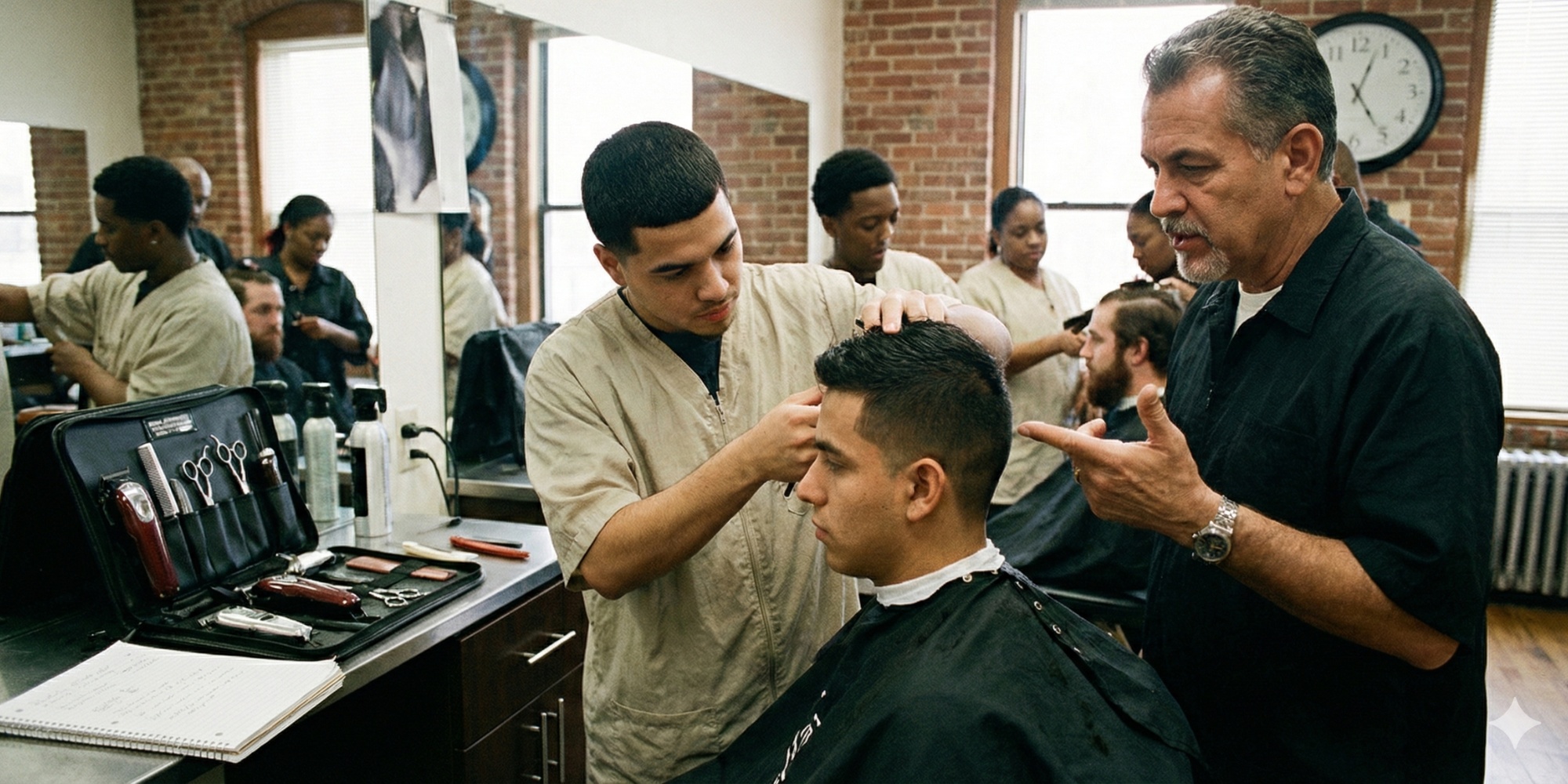
I know that most of you are trying to balance your education with a job or a family. I usually suggest looking for a barbering academy that offers a schedule that fits your life. For example, barbering day courses often run about 26 hours a week, which means you could finish in around 40 weeks. If you need to work during the day, barbering night courses or evening classes are usually about 18 hours a week and take roughly 58 weeks to complete.

Breaking Down the Costs

I think it is important to be realistic about the financial side of things. When you look at a local barber college, the tuition price can change depending on where you are located and the reputation of the school. Generally, you should expect to see prices anywhere from $10,000 to $25,000 for a full program.

I always tell my students to remember that tuition isn’t the only expense. Most barbering courses require you to buy a professional tool kit. I recommend budgeting between $1,000 and $3,000 for high-quality clippers, razors, and shears. It is a significant investment, but these tools will be with you for years.

If you are worried about the price, I have some good news. You don’t always have to pay for everything yourself.

  • Federal Financial Aid: Many accredited schools allow you to apply for financial aid for barbering school through FAFSA.
  • Federal Grants: For the 2025-2026 school year, the maximum Pell Grant is $7,395, and since it is a grant, you usually don’t have to pay it back.

Enrollment Requirements and Qualifications

I have talked to many talented people who were afraid they couldn’t enroll because they didn’t finish high school. I want to reassure you that there are often ways to make it work.

If you are wondering if you can go to barber school without a high school diploma, the answer is often yes. Many institutions use what is called an Ability to Benefit test. If you can pass this exam, you can start your training. In some cases, you can even work on your GED while you are taking your barber course.

I also get questions about the minimum age. If you are looking into barber school under 18, you are actually in a great position to start your career early. States like Texas allow students to start as early as 17, meaning you could be licensed and working before many of your peers even graduate from a traditional college.

Join Us at USA Beauty and Barber Academy

I truly believe that choosing the right school is the most important step in your journey. Our academy is designed to be a supportive environment where you can develop your skills under the guidance of experts who have over 80 years of combined experience in the industry.

We focus on making sure you are ready for the real world. I want every student who walks through our doors to feel confident and prepared for their licensing exams and their future career. When you join us, you become part of a community that is dedicated to your success.

I would love to help you figure out which path is right for you. You can find more details about how to get started over at Enrollment.

If you have more questions about our schedules or how to apply, please fill out the contact form at the bottom of this page. One of our advisors will reach out to you personally to help you plan your future in the barbering industry.

Steps To Becoming A Barber: Everything You Need To Know About Barbering

If you’re currently looking into how to become a barber, you’re probably feeling a mix of excitement and a little bit of anxiety. It’s a big move. You aren’t just looking for a new job; you’re looking for a craft that gives you a set of skills you can take anywhere.

I want to break down everything you need to know about barbering so you can decide if this is the right path for you. I’ll walk you through what the day-to-day really looks like, the steps to becoming a barber, and how the learning curve actually feels when you’re starting out.

Introduction To Barbering: More Than Just a Haircut

When people ask how can I get into barbering, I usually start by clarifying what the job actually is. It’s easy to look at a cool video online and think it’s all about the art, but it’s a service-heavy trade. You are responsible for a result that the client has to live with for weeks – every single time.

In my experience, the core of the job comes down to:

  • Technical Precision: Working with fades, tapers, and straight razors. It’s about clipper control and understanding how different hair types behave.
  • Safety Standards: This isn’t the “fun” part, but it’s the most important. You have to be an expert in sanitation and disinfection to keep your chair – and your clients – safe.
  • Social Energy: You’re talking to people all day. You have to manage expectations and turn a “bad hair day” into a confidence boost.
  • Physical Endurance: You’ll be on your feet for hours, often repeating the same precise movements while staying focused.

If you look at the U.S. Bureau of Labor Statistics (BLS) Occupational Outlook Handbook, you’ll see that barbers are a reliable trade with steady demand. While statistics provide a baseline, your real success comes from how you handle the person in your chair.

Should I Get Into Barbering? The Reality Check

I often get asked: “Is barbering a trade?” Yes, absolutely. And like any trade, it requires a specific mindset. I’d say this is a great fit for you if you enjoy seeing immediate results from your work and you’re the type of person who likes getting better through repetition.

I would seriously consider this path if:

  • You like the idea of a hands-on career where you see progress daily.
  • You’re okay with being a beginner for a while.
  • You enjoy interacting with people (even if you’re a bit introverted).

On the flip side, you might want to rethink it if you’re looking for “instant” expertise or if you really dislike customer-facing work. Barbering takes patience, and your first few cuts won’t be masterpieces. That’s okay – everyone starts there.

Is Barbering Worth It? The Numbers and the Growth

Let’s talk about the money and the lifestyle, because you need to know if the effort matches the reward.

What The Data Tells Us

According to the BLS, the median hourly wage for barbers was $18.73 as of May 2024. If you’re working full-time, that’s about $38,958 a year.

However, I always tell people that the statistics don’t tell the whole story. Your income depends heavily on your location, your speed, and most importantly, your client retention. Once you build a loyal following, you aren’t just earning an hourly wage; you’re managing a book of business. With tips and the right shop model, the ceiling can be much higher than the median stats suggest.

The industry is also growing. The BLS projects a 5% growth in employment for this sector through 2034, with about 84,200 openings per year across the combined group.

Steps To Becoming A Barber: Your Professional Roadmap

While every state has its own specific rules, the structure is usually similar. Here is how you can move from a fan of the craft to a professional.

Step 1: Research Your Local Regulations First

Licensing is regulated by state boards, so your first move should be checking your local requirements. You want to know exactly how many hours of training you need and what the exam looks like before you commit. For example, Pennsylvania notes that if you move states, you might need a certification letter or an endorsement exam. Don’t skip this research!

Step 2: Find The Best Way To Learn Barbering

There are generally two ways people get started:

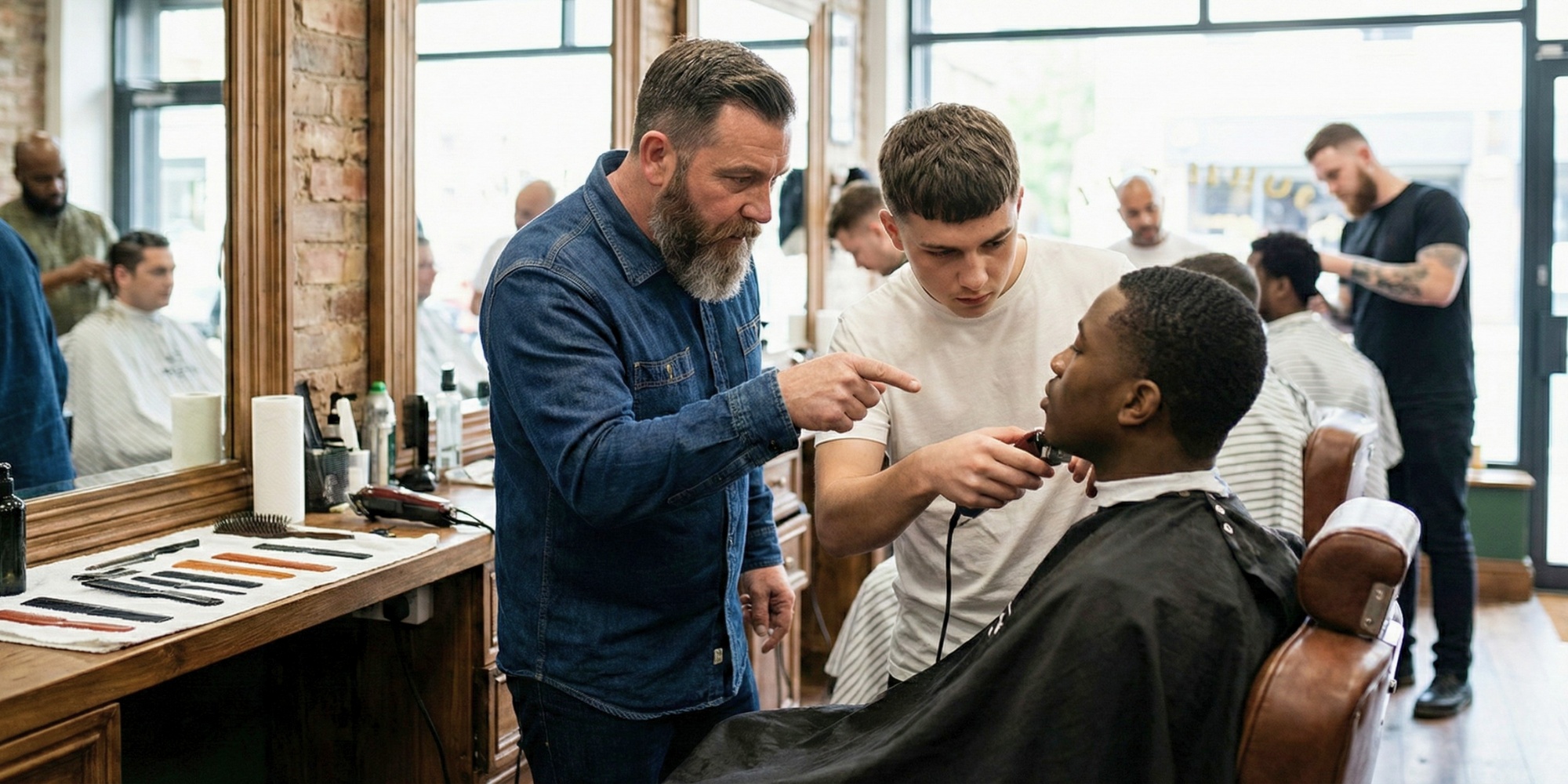
  • Formal Schooling: You get a structured environment, instructors focused on your success, and a clear path toward meeting state hour requirements.
  • Apprenticeships (Where Allowed): Some states, like California, allow you to earn a wage while you learn under a licensed professional. It’s a “learn by doing” approach, though it requires finding a willing shop and board approval.

Step 3: Focus On The “Qualified Barber” Skill Stack

How do you become a qualified barber in the eyes of a shop owner? You master the basics. Focus on your sanitation habits, clipper fundamentals, and your consultation skills. I’ve seen many talented cutters lose clients because they didn’t listen to what the person in the chair actually wanted.

Step 4: Ace The Exams

You’ll typically have to pass both a theory (written) exam and a practical (hands-on) exam. Treat the sanitation portion like it’s the most important part of the test – because for the state board, it usually is.

Step 5: Start Working And Keep Learning

Once you have that license, the real education begins. Your early goal is simple: be consistent, get faster without being sloppy, and build repeat clients.

Is Barbering Easy To Learn Or Hard To Learn?

The honest answer is: it’s both. It’s easy to start because you can learn the basic concepts quickly. But it’s hard to master because every head is different, and clients bring pressure.

If you’re wondering how to learn barbering fast, the secret is just getting more “reps” in. The more heads you cut, the faster your hands will move without you having to think about it. Consistency always beats intensity.

Can I Learn At Home Or Online?

I see people asking about how to learn barbering at home or how to learn barbering online all the time. While you can definitely find amazing tutorials for tool maintenance or “intro to barbering” concepts, you can’t really learn barbering for free in a way that leads to a license. Think of online videos as a supplement to your formal training, not a replacement for it.

Start Your Journey At USA Beauty Academy

If you’ve read this far and you’re thinking, “I’m ready to start being a barber,” the next step is finding the right environment to train in. At USA Beauty Academy, we specialize in helping people turn their passion into a career.

We know that the path to licensure can feel overwhelming, which is why we’ve built our program to cover everything from the technical cuts to the business side of the industry. We focus on making sure you’re ready for the state board and, more importantly, ready for your first day in a real shop.

If you want to see the campus for yourself and get more details on how we can help you reach your goals, the best thing to do is find out more in Enrollment. We have a contact form right below this article where you can leave your info, and someone from our team will reach out to chat. I’d love to help you map out a plan that actually works for you!

The Ultimate Guide on How to Get a Cosmetology License (With or Without School)

I’ve always believed that starting a career in the beauty industry is one of the most rewarding moves you can make, but I often see people get stuck before they even pick up a pair of shears. The technical skills are the fun part, while the legal side of things usually feels like a wall of paperwork and confusing jargon. I want to help you clear that hurdle so you can focus on your craft.

Navigating the path to becoming a licensed professional doesn’t have to be a mystery. While the rules change depending on where you live, the general process follows a very specific logic. I have broken down the journey into manageable steps to help you understand how to get a cosmetology license and stay compliant throughout your career.

Establishing Your Foundation Through State Rules

The most important thing to remember is that beauty services are regulated at the state level. When you start looking into cosmetology requirements by state, you are essentially looking for a set of rules created by a specific board to ensure public safety. Because these rules are not universal, I always recommend starting your journey at the source.

You should locate the official website for the Board of Cosmetology in your specific state. This is where you will find the most accurate information regarding training hours and exam types. For instance, California requirements will find a need for 1,000 hours of instruction. In Virginia, the state recently implemented a 1,000-hour curriculum as well. Relying on your state board is the only way to ensure you are meeting the exact cosmetology license requirements needed to move forward.

Choosing the Right Educational Path

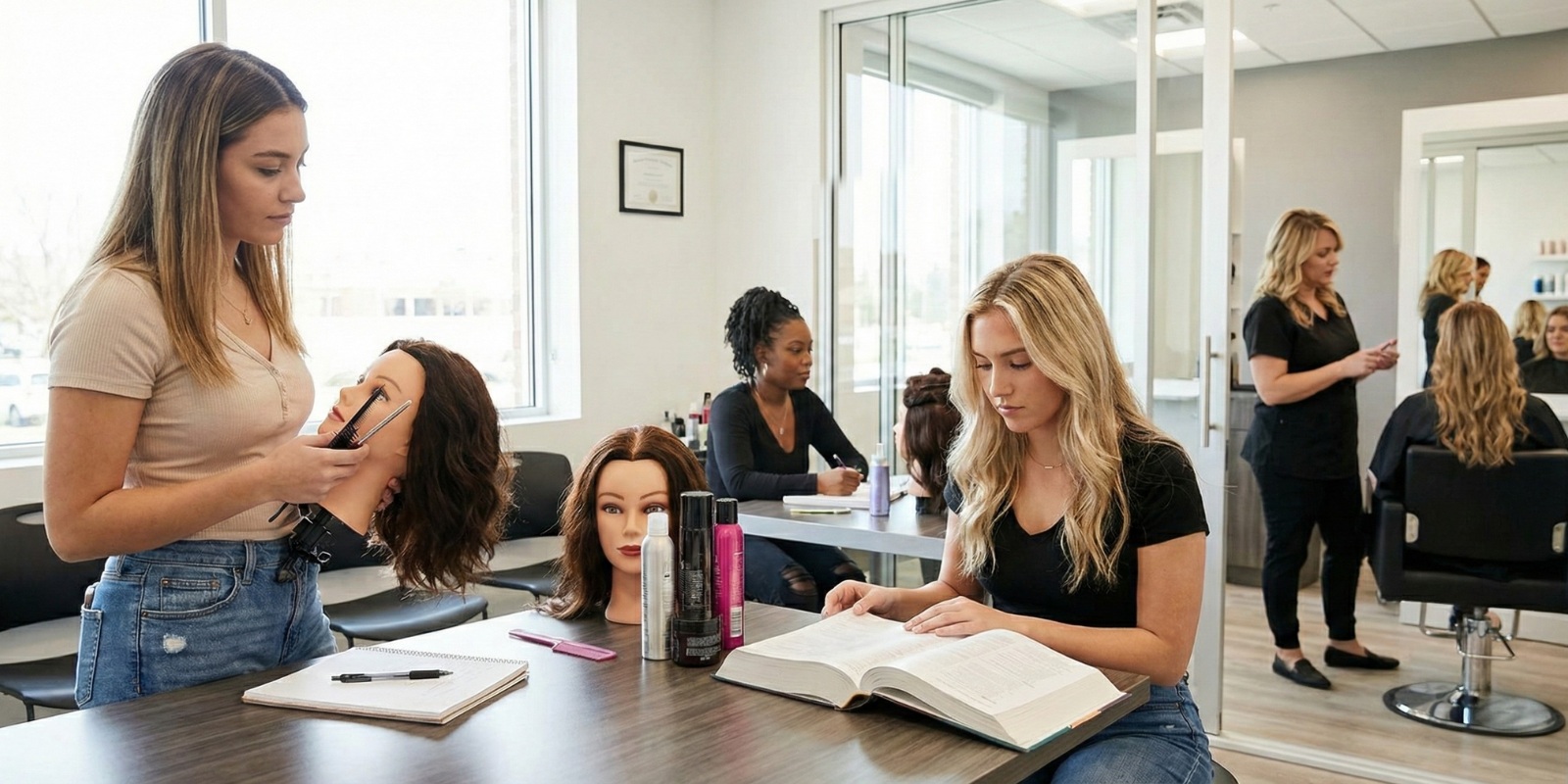
Once you know the hours required, you have to decide how you want to earn them. Most people choose the traditional route of attending a cosmetology school. These institutions provide a structured environment where you learn everything from sanitation to advanced styling. I suggest looking for schools that are state-approved and, if you need financial assistance, accredited by a recognized agency.

Some people prefer to explore how to get cosmetology license without school entirely. In many cases, this refers to a cosmetology apprenticeship. This path allows you to train under a licensed professional in a real salon environment. At the federal level, a Registered Apprenticeship is a formal model that combines paid work and mentored learning.

While this is a great alternative, it is not available in every state. For example, in California, this route has been highlighted as a lower-cost optionn. If you are interested in an apprenticeship for cosmetology, you should check with your state board or use resources like Apprenticeship.gov to see if it is a valid option in your area.

Managing the Financial Side of Your Education

I know that the cost of training can be a major stressor. Education is an investment, but there are ways to make it more manageable. If the school you choose is eligible for federal aid, you might be able to use the FAFSA to help cover tuition. You can verify if a school participates in these programs by checking their code on the Federal Student Aid website.

If you are having trouble finding a specific code, Federal Student Aid explains that the school might not be participating in federal aid programs. There are also potential tax benefits to consider. The IRS generally allows for the deduction of qualified education expenses if you attend an eligible educational institution. This usually includes trade schools that are part of the U.S. Department of Education student aid programs. While I am not a tax professional, it is a detail worth looking into as you plan your budget.

Preparing for the Professional Examination

After you finish your hours, you will face the cosmetology state board exam. This is often the most nerve-wracking part of the process for my readers. The exam typically consists of a written portion and a practical demonstration of your skills.

Many states use exams developed by the NIC, which provides bulletins that outline exactly what you need to know. Some regions also work with vendors like Prometric to administer their tests. If you are wondering how to pass cosmetology state board exam, my best advice is to treat the practical portion like a rehearsed performance. I find that most people lose points on procedural steps like infection control and proper labeling rather than the actual beauty service. A quick look at online forums shows that many people struggle with this because they lack structured practice. Practicing these steps until they are automatic is the key to walking into that room with confidence.

Navigating the Application and Timeline

I often get asked how long does it take to get a cosmetology license from start to finish. The answer depends on your training schedule and the speed of your state board. Beyond the months spent in school, you have to account for the time it takes to process your paperwork.

When you are ready to move forward, you should learn how to apply for cosmetology license through your state’s online portal if they have one. For example, California provides clear checklists and uses a system called BreEZe which handles everything from the initial application to address changes and license verification. Using online systems usually speeds up the process significantly compared to mailing in paper forms, which can take up to 8 weeks.

Maintaining Your Professional Status

Earning your license is a huge milestone, but your responsibilities do not end there. You will eventually need to look into cosmetology license renewal to keep your status active. Different states have very different cycles for this. New York requires a renewal every four years, while Texas provides a streamlined online flow for license holders to update their information and handle renewals.

If you let your license lapse, the consequences can vary. In Pennsylvania, an expiration of more than five years might require you to retake the entire exam. Florida has even stricter rules regarding licenses that become null and void, often requiring proof of hardship to get them back. I recommend setting a reminder on your phone the moment you receive your license so you never miss a deadline.

Moving Your Career Across State Lines

If you decide to move, you will need to understand the process for a cosmetology license transfer from state to state. This is often referred to as reciprocity or endorsement. You aren’t just moving a piece of paper; you are asking a new state to recognize your previous training and testing.

Some boards, like California, will send official verification letters directly to other states to help. Many states are also joining a licensure compact. Virginia is one of the states leading this effort, with hopes to have a more mobile licensing system active by early 2026. Until then, you will likely need to provide verification of your hours and exam scores from your original board to your new one.

Handling Unique Licensing Situations

I want to address some of the more sensitive parts of the licensing process that people often worry about. If you do not have a Social Security Number, California’s Board allows you to use an ITIN for your application. This can be a game-changer for many aspiring professionals.

If you have a background involving a misdemeanor or felony, do not assume the door is closed. Many states, including Texas, review these situations on a case-by-case basis. Being transparent with your board early in the process is always the best policy.

Taking the Next Step in Your Career

I hope this breakdown makes the path forward feel a little less daunting. If you are looking for a place to start your journey and get the professional training you need, I highly recommend looking into the opportunities we offer at USA Beauty Academy.

I believe that having the right support system makes all the difference when you are navigating the steps to get licensed. We are dedicated to helping you move through the training process smoothly so you can focus on building the career you have always wanted.

If you want to see what your future could look like, you can find out more about the enrollment process on our Enrollment page.

I would love to help you get started. If you have questions about how we can help you reach your goals, please fill out the contact form right below. I look forward to helping you turn your passion for beauty into a professional reality.